Understanding Carpet Installation Services
Choosing the right carpet installation service can transform your living space, making it feel more comfortable and aesthetically pleasing. With numerous options available, it’s essential to understand the services professional carpet fitters provide, the methods they use, and the challenges you may encounter during installation. This article aims to guide you through the intricacies of carpet fitting, helping you make informed decisions when searching for carpet fitters near me.
What to Expect from Professional Carpet Fitters?
When you hire professional carpet fitters, you can expect a variety of services that go beyond just laying down carpet. They are skilled artisans trained in various installation techniques, ensuring that your new flooring is installed correctly and efficiently. Services typically include:
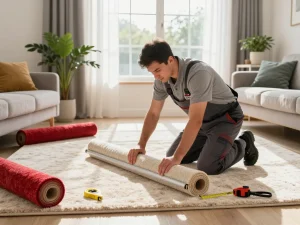
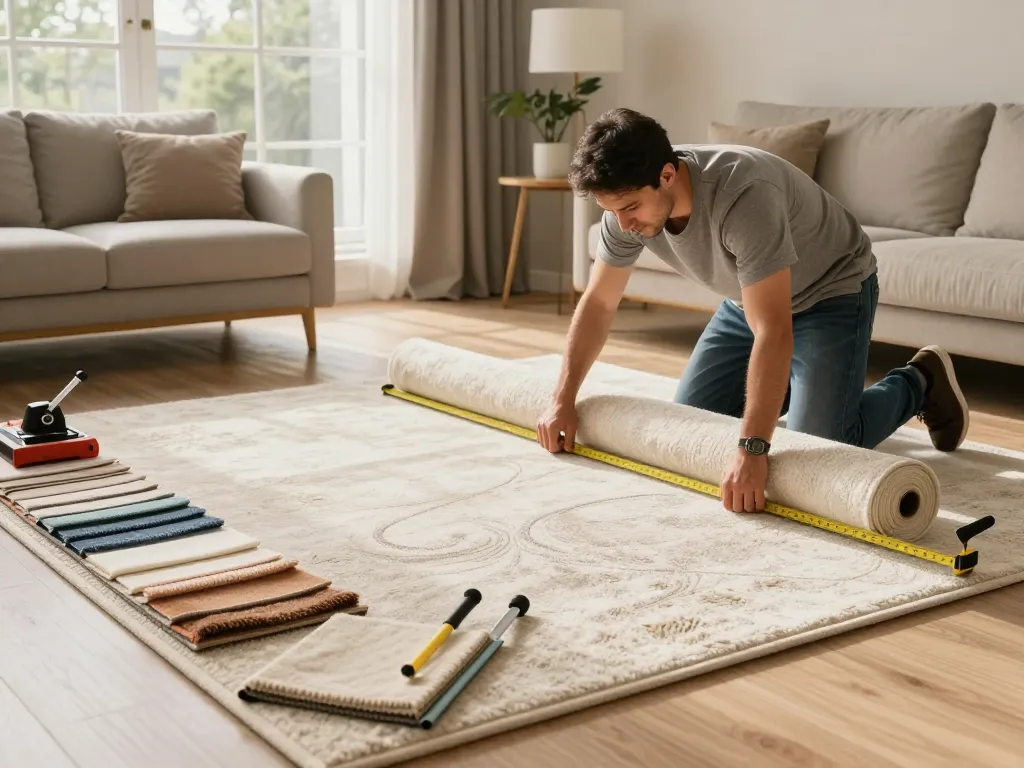
- Consultation and Measurement: Fitters will assess your space, take accurate measurements, and help you select the best carpet type and style for your needs.
- Preparation: This step involves removing old flooring, leveling the subfloor, and laying down underlay if necessary, which is crucial for ensuring longevity and comfort.
- Installation: Professional fitters will expertly install the carpet, paying attention to seams, patterns, and edges to provide a flawless finish.
- Post-Installation Clean-Up: After completing the installation, reputable fitters will ensure that your home is left clean and tidy, removing any debris associated with the installation.
Types of Carpet Installation Methods Explained
Understanding the different methods of carpet installation can help you make informed choices based on your specific needs. Here are some common methods:
- Stretch-in Installation: This method is popular for residential settings, where the carpet is stretched over a padded underlay and secured with tack strips.
- Glue-down Installation: Often used for commercial spaces or when installing heavy or textured carpets, this technique involves gluing the carpet directly to the floor.
- Double-stick Installation: This method uses two adhesives – one on the underlayment and another on the back of the carpet, allowing for easy removal and replacement.
- Tile Installation: Carpet tiles provide flexibility and ease of replacement. They can be installed easily and are ideal for areas that experience high traffic.
Common Carpet Installation Challenges and Solutions
Even with professional installation, there may be challenges that arise. Here are some common issues and their solutions:
- Uneven Floors: If your subfloor isn’t level, it can lead to problems. Ensuring the surface is properly prepared can mitigate this issue.
- Seam Visibility: Poor seam joining can make seams visible. Skilled installers know how to match patterns and minimize visibility.
- Carpet Buckling: This occurs when the carpet isn’t properly stretched. Fitters should ensure that the carpet is tightly stretched to avoid this problem.
Choosing the Right Carpet Fitters Near Me
Finding the right carpet fitters in your area requires careful consideration. You want professionals who not only have the right skills but also a reputable standing in the community. Begin your search by evaluating options based on qualifications, experience, and customer feedback.
Key Qualities of Reliable Carpet Installers
When assessing potential carpet fitters, consider these attributes:
- Experience and Expertise: Look for fitters with a proven track record in carpet installation.
- Licensing and Insurance: Ensure they are licensed and insured to protect yourself against any liabilities.
- Customer Service: A professional attitude and good communication can enhance the overall experience.
- Reviews and Recommendations: Seeking reviews on platforms like Yelp or Google can help gauge their reputation.
How to Evaluate Customer Reviews and Ratings
Customer reviews are invaluable resources when selecting carpet installers. Look for consistent patterns in the feedback:
- Pay attention to both positive and negative comments, especially regarding professionalism and quality of work.
- Consider the context of reviews; a few bad reviews in a sea of positive ones may not be indicative of overall quality.
- Seek out recommendations from friends, family, or local forums to gain firsthand insights.
Questions to Ask Potential Carpet Fitters
To ensure you choose the right professionals, ask the following questions during consultations:
- What is your experience with the specific type of carpet I am considering?
- Can you provide references or examples of past work?
- What is included in your quoted price?
- How long will the installation take?
Cost Factors for Carpet Installation
Understanding the costs associated with hiring carpet fitters is crucial for budgeting your project. Various factors can influence the final price of carpet installation.
Average Costs to Hire Carpet Fitters in 2026
As of 2026, the average cost of hiring carpet fitters can range from £3 to £12 per square meter, depending on several variables:
- Room Size: Larger areas typically have a lower price per square meter but will require more material.
- Carpet Type: The material and design of the carpet can significantly influence costs. Luxury materials will demand a higher price.
- Accessibility: Complex spaces may incur higher labor costs if fitters require more time to complete the job.
Understanding Carpet Type and Pricing
Different carpet types come at varying costs. Here’s a breakdown:
- Berber: Known for durability, this type typically ranges from £15 to £25 per square meter.
- Frieze: Textured and stylish, frieze carpets can cost between £20 to £30 per square meter.
- Plush: This luxurious option can reach up to £40 per square meter.
Budgeting for Additional Services and Materials
Don’t forget to include additional costs in your budget, such as:
- Underlay: A quality underlay can improve comfort and prolong carpet life, usually costing £2 to £4 per square meter.
- Removal of Old Carpet: Many fitters charge extra for this service, averaging around £1 to £2 per square meter.
- Post-Installation Cleaning: Some services include cleanup, but verify if this is part of your quoted price.
Preparing Your Home for Carpet Installation
Preparation is key to a smooth installation process. Here are essential steps homeowners should take before their carpet fitters arrive.
Steps to Take Before Your Carpet Fitters Arrive
Preparation can help equipment access and set the stage for an efficient installation:
- Clear the Area: Remove furniture and personal items from the space where the carpet will be installed.
- Check the Environment: Ensure the room is at a comfortable temperature as this can affect the carpet installation.
- Inform Your Installer: Notify fitters of any specific requests or concerns regarding your flooring.
Clearing the Space: Best Practices
Making space for your installers is crucial. Here are some best practices:
- Relocate large furniture items to another room if possible.
- Remove any wall decorations and electrical outlet covers to prevent damage.
- Ensure pets and children are kept away during the installation.
Ensuring Safety and Accessibility During Installation
Creating a safe environment for your carpet fitters is essential:
- Make sure walkways are clear of any obstacles.
- Ensure adequate ventilation is available during installation, especially if adhesives are used.
- Communicate any safety concerns you have with the installation team.
Post-Installation Care and Maintenance
Once your carpet is installed, proper maintenance will keep it looking fresh and new for years. Here are some best practices for carpet care:
Best Practices for Carpet Care After Installation
To maintain the pristine condition of your new carpet, consider the following:
- Regular Vacuuming: Aim to vacuum at least once a week to prevent dirt buildup.
- Immediate Spot Cleaning: Address spills and stains immediately to avoid permanent damage.
- Professional Cleaning: Schedule professional cleaning every 12-18 months to rejuvenate your carpet.
Signs of Wear and When to Call Professionals
Monitor your carpet for signs of wear that indicate it may need professional attention:
- Fading colors or discolorations.
- Loose seams or fraying edges.
- Unpleasant odors that refuse to go away after cleaning.
Future Trends in Carpet Materials and Designs for 2026
As we look towards 2026, several trends are emerging in carpet materials and designs:
- Eco-Friendly Carpets: Increasing demand for sustainable materials is leading to a rise in carpets made from recycled fibers.
- Textured Designs: Unique textures will become popular, offering a stylish alternative to traditional flat carpets.
- Smart Carpeting: Innovations incorporating technology for easier cleaning and maintenance will likely start appearing.
How to Maintain Your Carpet for Longevity?
Maintaining your carpet will extend its life and keep your home looking its best:
- Follow a regular cleaning schedule.
- Be proactive in addressing problems before they escalate.
- Invest in high-quality mats for high-traffic areas to reduce wear.