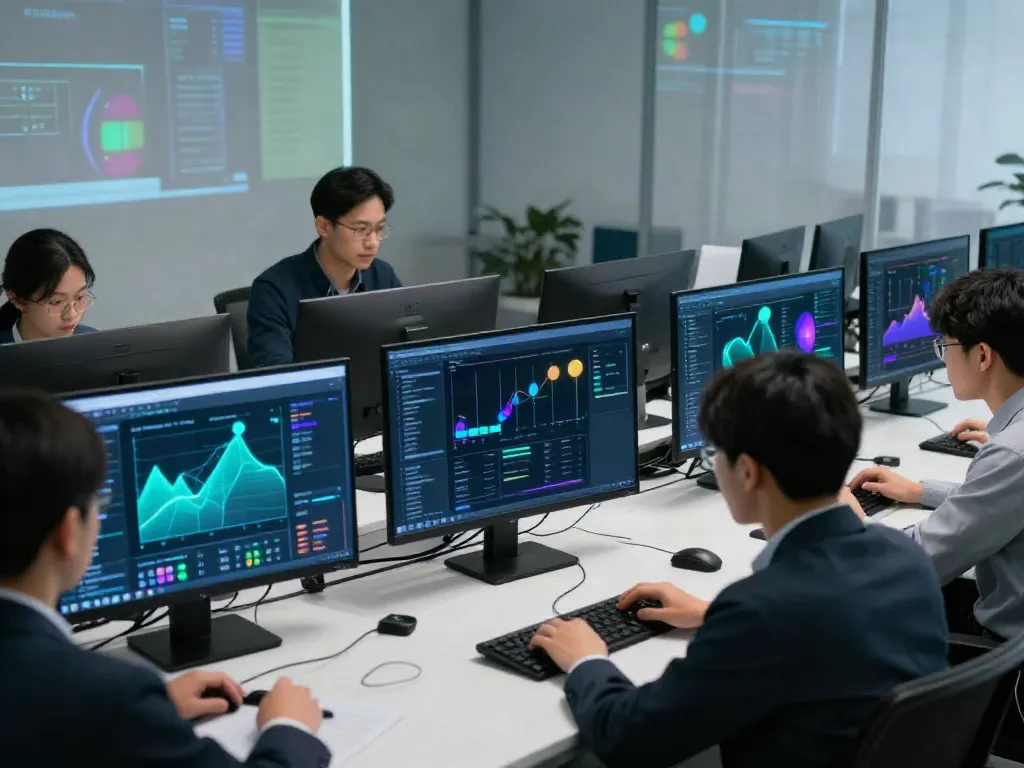
Understanding the Significance of AI and Emerging Technology Conference
In our rapidly evolving digital landscape, the relevance of an AI and emerging technology conference cannot be overstated. These conferences serve as a critical platform for industry professionals, researchers, and stakeholders to converge, exchanging ideas, experiences, and innovations that drive the future of technology. By focusing on artificial intelligence (AI) and its adjacent technologies, these events not only showcase the latest advancements but also facilitate strategic conversations about their implications for various sectors.
Defining AI and Emerging Technologies
Artificial intelligence encompasses a set of technologies capable of performing tasks that would typically require human intelligence. This includes machine learning, natural language processing, computer vision, and robotics, among others. Emerging technologies refer to advanced innovations that are in the early stages of development or adoption, and they often include blockchain, Internet of Things (IoT), augmented reality, and quantum computing.
Why Attend an AI and Emerging Technology Conference?
Attending an AI and emerging technology conference presents numerous benefits. First and foremost, these events offer the opportunity to learn from industry leaders and innovators who drive technological advancements. Unlike standard seminars, conferences incorporate a combination of keynote speeches, panel discussions, and hands-on workshops, allowing attendees to gain a comprehensive understanding of current trends and future predictions.
Moreover, conferences foster an environment of collaboration and innovation, which is crucial in a field that thrives on collective knowledge. Participants can gain insights into emerging best practices, explore practical applications of AI, and network with professionals facing similar challenges and opportunities. This exposure not only enhances knowledge but also encourages interdisciplinary relationships that can lead to significant partnerships.
Target Audience of AI and Emerging Technology Conferences
The audience for AI and emerging technology conferences is diverse, comprising tech enthusiasts, entrepreneurs, corporate executives, researchers, policymakers, and educators. Each subgroup has distinct motivations for attending, such as seeking funding, networking opportunities, or knowledge exchange.
For startups, these conferences may serve as a platform to pitch ideas to potential investors or partners. Meanwhile, corporate executives may seek to understand how AI can be integrated into their business models. Researchers can share their findings with peers, while educators might be looking to draw insights for curriculum development in technology applications.
Key Note Speakers: The Voices Shaping Tomorrow
Criteria for Selecting Key Speakers
Choosing the right keynote speakers is pivotal to the success of an AI and emerging technology conference. Ideal speakers are often recognized leaders in their respective fields, celebrated for their contributions and innovative approaches. Factors influencing the selection process include their expertise, engagement with the audience, and ability to translate complex topics into accessible narratives.
Impact of Thought Leaders on Conference Themes
Thought leaders drive the themes and discussions at conferences by sharing insights that provoke thought and engagement. Their experiences and case studies create a framework for dialogue and exploration. Topics may range from ethical AI to the integration of AI in specific industries, such as healthcare and finance. The relevance of their messages often guides the strategic direction of attendees, shaping their understanding of technology’s role in the future.
Schedule and Format of Speaking Engagements
The schedule of an AI and emerging technology conference typically comprises a series of keynote speeches, followed by panel discussions, and breakout sessions. Each format serves a unique purpose:
- Keynote Speeches: Provide broad insights and set the tone of the conference.
- Panel Discussions: Facilitate interdisciplinary dialogues, allowing perspectives from various stakeholders.
- Breakout Sessions: Offer a more intimate setting for detailed discussions, hands-on training, and workshops.
Networking Opportunities at AI and Emerging Technology Conference
The Importance of Networking in Technology
Networking is a core component of any conference, particularly within the tech industry. These gatherings provide attendees with the chance to meet peers, potential collaborators, and mentors. The informal setting often fosters genuine conversations that can lead to significant connections. In technology, where cooperation and collaboration are essential for innovation, these connections can serve as a catalyst for new ventures or projects.
Best Practices for Effective Networking
To maximize networking opportunities, attendees should prepare in advance. Here are some best practices:
- Research Attendees: Use social platforms or the attendee list to identify key individuals you’d like to connect with.
- Set Clear Goals: Define what you want to achieve - whether it’s finding a mentor, potential partnership, or simply learning from others.
- Engage on Social Media: Use hashtags related to the conference to engage with content and individuals before, during, and after the event.
Tools and Platforms for Networking at the Conference
Conferences increasingly leverage technology to enhance networking experiences. Event-specific apps often allow participants to view schedules, connect with fellow attendees, and arrange meetings. Additionally, social media provides an avenue for attendees to interact and engage prior to and after the event, reinforcing connections made during the conference.
Workshops and Panel Discussions
Topics Covered in Workshops
Workshops at AI and emerging technology conferences cover a wide array of topics. Typically, they focus on practical applications, emerging technologies, and skill-development related to AI. Common workshop topics include:
- Data Ethics in AI
- Understanding Machine Learning Algorithms
- Implementing AI in Business
- Hands-on Sessions with AI Tools and Technologies
Benefits of Interactive Panel Discussions
Interactive panel discussions allow participants to engage directly with experts, providing a bridge between speakers and the audience. These sessions often include Q&A segments where attendees can pose questions and participate in discussions, creating a more enriching experience. Additionally, the diversity of perspectives can lead to new ideas and collaborations.
Case Studies Shared During the Conference
Real-world case studies are invaluable assets at conferences, showcasing the successful implementation of AI and emerging technologies across various sectors. Each case study allows attendees to gain practical insights into problem-solving, innovative applications, and lessons learned, essentially bridging the gap between theory and practice.
Measuring the Impact of Attending the AI and Emerging Technology Conference
Key Performance Indicators for Attendees
To measure the success of attendance, participants should consider specific key performance indicators (KPIs). These may include:
- Number of new contacts established
- Knowledge gained as assessed through feedback
- Follow-up actions taken post-conference
- Opportunities for collaboration identified
Post-Conference Follow-up Strategies
Effective post-conference follow-up strategies are crucial to solidify the connections made during the event. Attendees should aim to reach out within a week of the conference, referencing discussions held and expressing gratitude for insights shared. This can also include sharing relevant resources or furthering conversations initiated during networking sessions.
Long-term Benefits of Participation
Participation in an AI and emerging technology conference can yield long-term benefits, from enhanced understanding of trends to continued professional networking. Many attendees reflect upon the friendships and partnerships formed at these events, which can lead to collaborative projects long after the conference has concluded. Additionally, the insights gained can often shift organizational strategies to align with emerging trends and technologies.
Frequently Asked Questions
1. What can I expect from an AI and emerging technology conference?
Expect insightful keynote sessions, interactive workshops, and networking opportunities with industry leaders and innovators.
2. How can I prepare for a technology conference?
Research the agenda and speakers, set networking goals, and prepare questions to maximize your experience.
3. Who typically attends AI and emerging technology conferences?
A diverse audience including tech professionals, researchers, executives, and educators interested in AI technologies.
4. Are there opportunities for startups at these conferences?
Yes, startups can gain visibility, network with investors, and potentially pitch their ideas to a relevant audience.
5. How can I follow up after the conference?
Reach out via email referencing your conversations and share any resources or insights that can continue the dialogue.