Understanding Cape Cod Homes
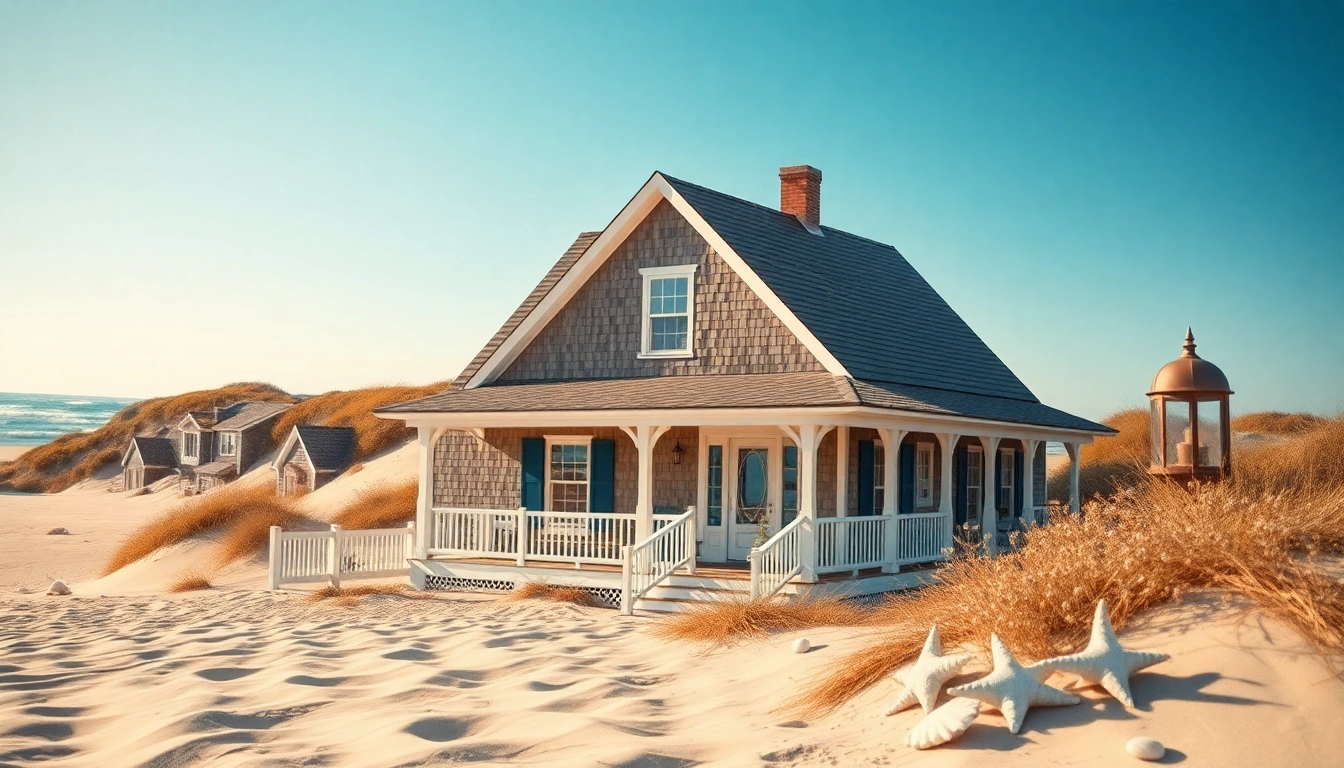
Renowned for their simplistic beauty and effortless charm, cape cod homes have captured the hearts of homeowners across the United States. Originally modeled after the homes of early New England settlers, these structures embody a classic architectural style that has evolved yet maintained its distinct flair. In this section, we will delve into the rich history and evolution of Cape Cod homes, explore their key architectural features, and discuss the reasons one might choose to call a Cape Cod home their own.
History and Evolution
The history of Cape Cod homes dates back to the colonial era, specifically the 1600s. These homes emerged from the need for simple, practical living spaces that could withstand harsh weather conditions prevalent in New England. Initially, they were constructed with wood frames and featured steep roofs, designed to shed heavy snowfall effectively.
Over the centuries, the style has been adapted. While modern Cape Cod homes often include amenities and techniques that enhance functionality and comfort, the essence of the historic designs remains intact. Today, Cape Cod architecture has experienced a resurgence, blending traditional forms with contemporary materials and structures to appeal to a wider audience.
Key Architectural Features
Cape Cod homes are characterized by several distinct features that contribute to their iconic status. These include:
- Steep Roofs: The roofs typically extend to a central point, allowing snow to slide off and helping to prevent moisture accumulation.
- Dormer Windows: These windows protrude from the roof slope, providing natural light and ventilation to upper levels.
- Symmetrical Design: The layout is often symmetrical, exuding a sense of balance and harmony.
- Central Front Door: A centrally located door is a characteristic feature that emphasizes the home’s inviting nature.
- Wooden Siding: Traditional Cape Cod homes commonly utilized wooden clapboard siding, giving them warmth and character.
Why Choose Cape Cod Homes?
Choosing a Cape Cod home means opting for a style that is steeped in tradition yet adaptable to modern needs. Here are a few reasons why these homes continue to attract buyers:
- Timeless Aesthetics: The classic design remains appealing, transcending trends and time.
- Versatile Layouts: The layouts can be easily modified to accommodate family needs, making them great for both small and large households.
- Ideal for Coastal Living: Cape Cod homes are particularly well-suited for coastal regions, blending with their surroundings.
- Energy Efficiency: Older models maintain good insulation; newer homes use contemporary materials for efficiency.
Designing Your Cape Cod Home
The process of designing a Cape Cod home can be exciting and personal, as it allows homeowners to express their unique preferences while adhering to the traditional style. From layout to color schemes, every detail contributes to the overall aesthetic and functionality of the home.
Layout and Floor Plan Ideas
When designing a Cape Cod home, the floor plan is crucial. Most often, a Cape Cod house features a two-story layout, with bedrooms on the second floor for privacy. Popular layout ideas include open-concept living areas that foster family interaction and maximize space. Consider incorporating:
- Pitched Ceilings: These not only enhance the spaciousness but also contribute to air flow and light.
- Functional Mudrooms: A mudroom serves as a transition space, helping to manage clutter and keep the living spaces clean.
- Efficient Kitchens: Layouts that allow for easy movement and practical flow between cooking and dining areas are essential.
- Outdoor Living Spaces: Patios and decks can extend the living area outdoors, providing space for relaxation and entertainment.
Color Schemes and Materials
The color palette of any Cape Cod home captures the essence of its coastal roots. Soft pastels, whites, and natural wood tones are popular choices, reflecting the serene environment typical of coastal areas. Consider the following materials for a charming and harmonious look:
- Clapboard Siding: Often painted in light colors, this siding provides a classic appearance that complements the traditional style.
- Wooden Accents: Cedar or pine can add warmth and texture, especially in trim and window frames.
- Natural Stone: Incorporating stone elements can enhance the rustic, timeless feel.
Incorporating Outdoor Spaces
Outdoor spaces can significantly enhance the overall appeal and livability of Cape Cod homes. Given their coastal nature, here are some ideas for effectively incorporating outdoor areas:
- Decks and Patios: Elevated decks can offer stunning views, while ground-level patios can provide cozy outdoor gathering spots.
- Landscaping: Utilize native plants and low-maintenance gardens to enhance natural beauty while reducing upkeep.
- Outdoor Fireplaces: These can create a charming focal point for outdoor entertainment spaces.
Decorating Cape Cod Homes
Interior design for Cape Cod homes should embody a coastal, serene aesthetic, creating a space that feels warm and inviting. The following sections highlight key approaches to decorating your Cape Cod home effectively.
Coastal-Inspired Interiors
Coastal inspiration in interiors often emphasizes open spaces, light colors, and elements that reflect the beach environment. To achieve this, consider:
- Nautical Tones: Incorporate shades of blue and soft whites that evoke the sea and sky.
- Natural Textures: Use linen, cotton, and jute to provide a sense of comfort and relaxation.
- Artwork: Coastal-themed art, such as seascapes and marine life, can enhance authenticity.
Furniture and Accessory Choices
When selecting furniture and accessories for your Cape Cod home, aim for a style that complements the overall theme. Consider these tips:
- Classic yet Casual: Choose comfortable, family-friendly furniture that can withstand everyday use.
- Functional Accessories: Incorporate storage solutions, such as built-in shelving, that fit seamlessly with the decor.
- Layered Lighting: Utilize different light sources to create a cozy atmosphere. Pendants, lamps, and natural light can all work together.
Bringing the Outdoors In
Integrating elements of nature into your interior design is a hallmark of Cape Cod homes. Here are ways to bring the outdoors in:
- Large Windows: Opt for expansive windows that invite natural light and offer views of the landscape.
- Plants and Greenery: House plants not only purify the air but also add color and life to your interiors.
- Natural Materials: Incorporate wood, stone, and other natural materials in furnishings or decorations for a seamless connection to nature.
Renovating Cape Cod Homes
Renovation can breathe new life into Cape Cod homes while preserving their essential character. This section focuses on how to achieve modern functionality while respecting historical elements.
Preserving Historical Elements
When renovating a Cape Cod home, it is vital to consider how to preserve the architectural details that give it historical significance. Here are best practices:
- Restoring Original Features: Refinish hardwood floors, replace windows with style-appropriate designs, and keep original moldings intact.
- Careful Material Choices: Use materials that reflect the original construction, ensuring the home’s character is maintained.
- Knowledgeable Contractors: Work with professionals who have experience in historical renovations for guidance and expertise.
Modern Updates for Comfort
Modern updates do not have to compromise the traditional aesthetic. Consider how you can integrate contemporary comforts in elegant ways:
- Open Concept Layouts: While preserving historical features, consider removing non-load-bearing walls to create a more open feel.
- Upgraded Appliances: Invest in energy-efficient appliances that reduce consumption without sacrificing performance.
- Smart Home Technology: Integrate smart home systems discreetly within traditional settings for improved convenience.
Energy Efficiency Tips
Enhancing energy efficiency is an essential aspect of modern renovations. Here are some effective strategies:
- Insulation Upgrades: Add insulation to attics and walls to improve temperature regulation and reduce energy use.
- Energy-Efficient Windows: Consider replacing older windows with those that provide better insulation and UV protection.
- Solar Energy Systems: Depending on your location, installing solar panels can reduce energy costs while contributing to sustainability.
Frequently Asked Questions
What are the typical features of cape cod homes?
Cape Cod homes are characterized by steep roofs, dormer windows, and symmetrical design, often with a centralized front door.
How can I make my cape cod home more energy-efficient?
Consider adding insulation, upgrading windows, and using energy-efficient appliances to improve your home’s efficiency.
What color schemes work best for cape cod homes?
Soft pastel colors, whites, and natural wood tones complement the coastal theme of cape cod homes beautifully.
Are cape cod homes suitable for year-round living?
Yes! Many cape cod homes are designed for year-round comfort with proper insulation and modern amenities.
What outdoor features enhance a cape cod home?
Patios, decks, and gardens featuring local flora can enhance the charm and functionality of cape cod homes.