Understanding Mitsubishi Mini Split AC Features
Components of Mitsubishi Mini Split AC
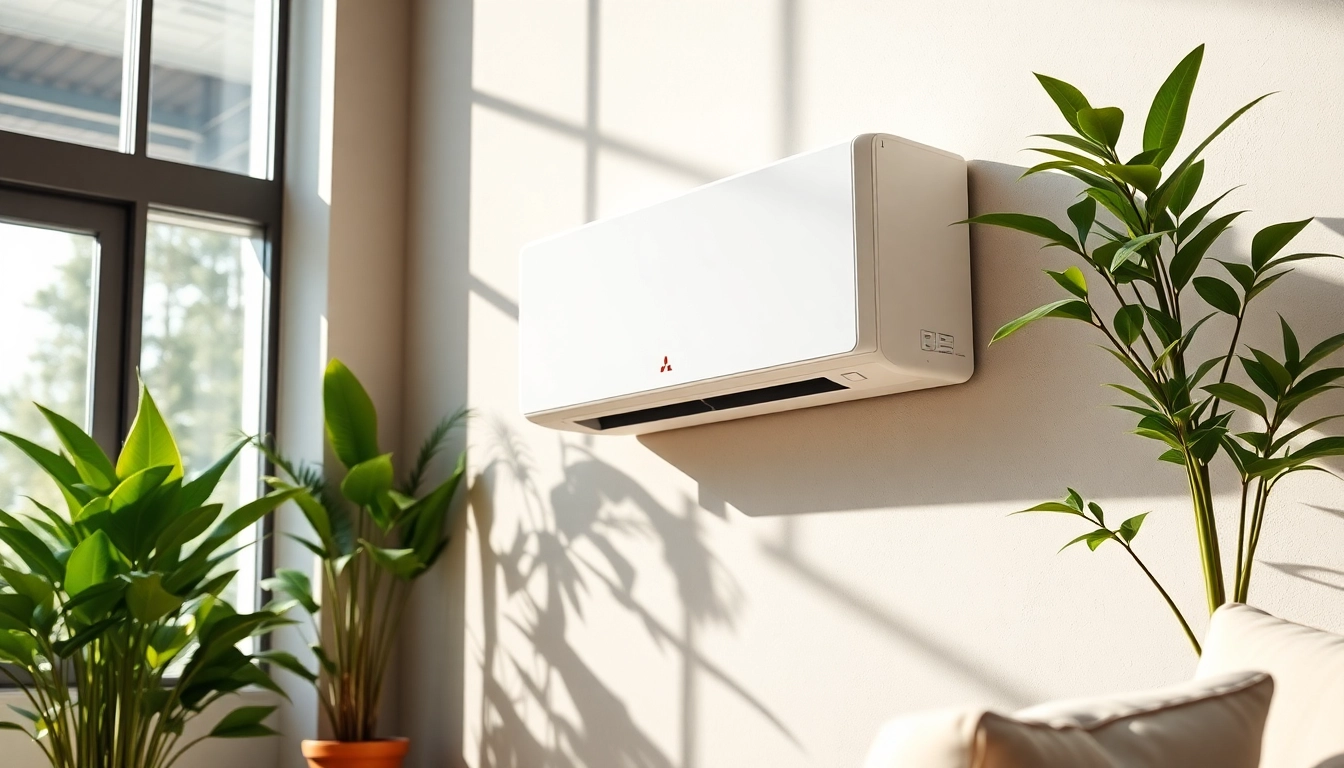
Mitsubishi mini split AC systems are comprised of several essential components that work together to provide efficient cooling and heating. The main elements include the indoor unit, outdoor unit, refrigerant line, and remote control. The mitsubishi mini split ac‘s indoor unit typically features a sleek design, equipped with air filters to promote clean airflow, quiet operation, and energy-efficient fan technology.
The outdoor unit houses the compressor, condenser coil, and noise-reducing technology. The refrigerant line connects the two units, allowing for the transfer of heat and cooling between them. Additionally, many models come with smart technology integrations, enabling users to control the system via smartphones or smart home devices.
Energy Efficiency and Savings
Energy efficiency is one of the standout features of the Mitsubishi mini split AC. With a Seasonal Energy Efficiency Ratio (SEER) rating often exceeding 20, these systems are designed to reduce energy consumption while maintaining optimal comfort levels. Compared to traditional central air conditioning units, which can use significant energy due to duct losses, mini splits offer direct cooling to specific rooms, ensuring that energy is only expended when and where it is needed.
Investing in a Mitsubishi mini split AC can lead to substantial savings on utility bills over time, making it a financially wise choice. For example, regular users might observe a decrease in energy bills by 30% or more compared to conventional systems after installation. Many regions even offer incentives or rebates for upgrading to energy-efficient heating and cooling solutions, adding to potential savings.
Control and Flexibility Options
The Mitsubishi mini split AC provides exceptional control and flexibility for homeowners and businesses alike. Each indoor unit can be independently controlled, allowing users to set different temperatures in different rooms based on individual comfort preferences. This zoning capability ensures that areas frequently used can be cool while preserving energy in less utilized spaces.
In addition to manual wall-mounted remotes, many models come equipped with smartphone apps or smart home integrations. This technology allows users to adjust settings remotely, enabling efficient pre-cooling before arriving home. Furthermore, advanced features such as programmable timers and motion sensors enhance operational efficiency, ensuring that the AC runs only when necessary.
Benefits of Using Mitsubishi Mini Split AC
Enhanced Comfort and Climate Control
When it comes to creating a comfortable indoor environment, the Mitsubishi mini split AC excels in providing precise climate control. Unlike window units or traditional HVAC systems, mini splits allow for targeted heating and cooling, ensuring that each room maintains its desired temperature without fluctuations. This is especially beneficial in multi-story homes or buildings with varying sun exposure.
Furthermore, these systems maintain balanced humidity levels, promoting not only comfort but also improving indoor air quality. The advanced filters in the indoor units capture dust, allergens, and pollutants, creating a healthier living space. Many users report a significant reduction in allergies and respiratory issues, owing to the cleaner air circulated within their homes.
Space-Saving Design Advantages
One of the innovative features of the Mitsubishi mini split AC is its space-saving design. The absence of ductwork frees up valuable square footage typically consumed by traditional systems. Indoor units can be mounted high on walls or even ceilings, ensuring a sleek appearance that integrates seamlessly into any decor style.
This design flexibility means homeowners can enhance cooling and heating without sacrificing aesthetics or taking up floor space. Consequently, mini split systems are ideal for smaller homes, apartments, and commercial spaces where maximizing each inch is crucial.
Quiet Operation Benefits
Noise levels are often a concern when it comes to air conditioning systems, but Mitsubishi mini splits are renowned for their whisper-quiet operation. With noise levels as low as 19 decibels in some models, they operate more quietly than traditional window units or central HVAC systems.
This makes mini splits exceptionally suitable for environments requiring low disturbance, such as bedrooms, study rooms, or quiet offices. The tranquil operation allows users to enjoy the cooling effects without the intrusive hum typically associated with air conditioning.
Installation Guide for Mitsubishi Mini Split AC
Choosing the Right Location
Successful installation of a Mitsubishi mini split AC begins with proper placement of both the indoor and outdoor units. The indoor unit should ideally be located in a central area of the room with unobstructed airflow for maximum efficiency. It’s important to avoid placing the unit above heat-generating appliances or in direct sunlight, as this can inhibit performance.
The outdoor unit should be installed in a shaded area with good airflow, typically on a concrete base or similar sturdy platform to minimize vibrations. Considerations should also include proximity to an existing electrical supply and the refrigerant line’s routing, ensuring the overall installation adheres to safety and operational guidelines.
Professional vs. DIY Installation
While some homeowners may consider DIY installation of a Mitsubishi mini split AC, it is often recommended to hire professionals for optimal results. Professional installers bring invaluable experience in handling refrigerants, ensuring that the system is correctly charged and configured for safe operation.
Moreover, professional installation typically includes a warranty that ensures peace of mind regarding the system’s long-term performance. Improper installation can lead to reduced efficiency, higher energy costs, and potential damage, negating any initial savings associated with a DIY approach.
Common Installation Mistakes to Avoid
Several mistakes can occur during the installation of a Mitsubishi mini split AC that may impact its effectiveness and longevity. One common error is miscalculating the size of the unit needed for the space, which can lead to insufficient cooling when too small or higher energy bills when oversized.
Additionally, improper placement of indoor or outdoor units can affect airflow and efficiency. Failing to follow the manufacturer’s guidelines for electrical wiring and refrigerant connections is another critical error that can lead to costly repairs. Observing all installation best practices will enhance performance and extend the lifespan of the AC unit.
Maintenance Tips for Your Mitsubishi Mini Split AC
Regular Cleaning and Filters
Ongoing maintenance is vital to the performance of a Mitsubishi mini split AC. Regularly cleaning air filters is one of the simplest yet most important tasks homeowners can undertake. Clogged filters restrict airflow, forcing the system to work harder and reducing efficiency. It is advisable to clean or replace filters every month, especially during peak usage seasons.
Additionally, the indoor unit’s coils should be gently cleaned to prevent dirt accumulation. Dust and debris can inhibit heat exchange, leading to reduced cooling effectiveness. Homeowners may also consider hiring professionals for annual deep cleaning of the coils and outdoor unit fan blades.
Seasonal Check-ups and Adjustments
Seasonal maintenance check-ups can significantly enhance the longevity of a Mitsubishi mini split AC. A technician should inspect the system before heavy usage periods, ensuring that all components are functioning optimally. These check-ups might include testing refrigerant levels, checking electrical connections, and examining the drain lines for blockages that can cause leakage issues.
Keeping a schedule for these seasonal inspections allows for early detection of potential problems, which not only saves money on repair costs but also maintains a consistently comfortable indoor environment.
Signs Your System Needs Service
Understanding when to seek professional service for your Mitsubishi mini split AC can prevent minor issues from escalating into significant problems. Some common signs include insufficient cooling, unusual noises coming from the unit, visible water leaks, or higher-than-normal energy bills.
If the unit is blowing warm air or constantly running without reaching the desired temperature, it may indicate refrigerant issues or component failures. Homeowners should not hesitate to contact a qualified technician if these symptoms arise to address any underlying concerns promptly.
Frequently Asked Questions about Mitsubishi Mini Split AC
1. What is a Mitsubishi mini split AC?
A Mitsubishi mini split AC is a ductless air conditioning system that offers efficient cooling for individual rooms.
2. How does Mitsubishi mini split AC compare to traditional systems?
It provides targeted cooling, energy efficiency, and requires no ductwork, unlike traditional HVAC systems.
3. What is the lifespan of a Mitsubishi mini split AC?
With proper maintenance, Mitsubishi mini split AC units can last between 15 to 20 years.
4. Can I install a Mitsubishi mini split AC myself?
While DIY installation is possible, it’s recommended to hire professionals for optimal performance and warranty protection.
5. Are Mitsubishi mini split AC units noisy?
No, they operate quietly, often quieter than traditional AC systems, making them ideal for bedrooms and living areas.