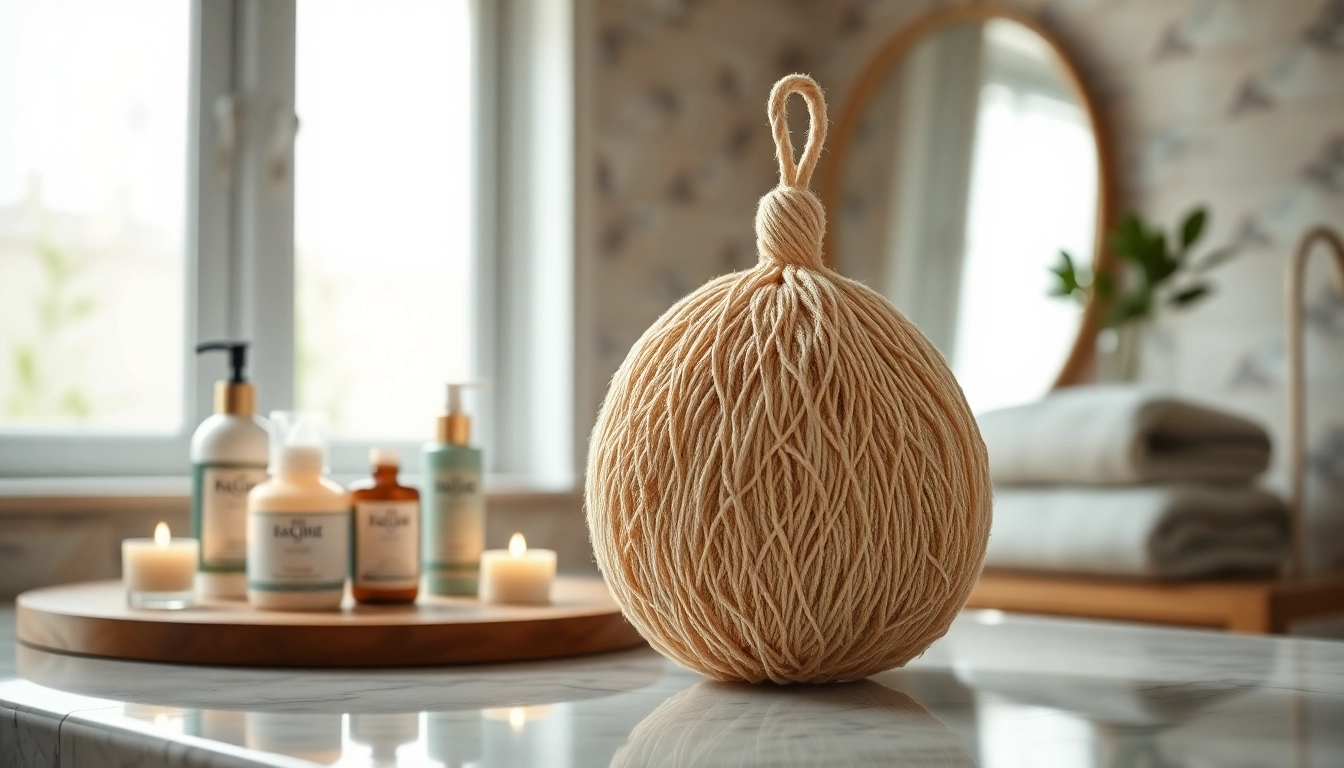
Introduction to Back Loofahs
Personal hygiene routines have become increasingly important as individuals seek ways to enhance their skincare. One essential tool that has emerged in this arena is the back loofah, an excellent addition to your bathing rituals. This article dives deep into the intricacies of back loofahs, exploring their benefits, how to use them, and tips for choosing the right one for your specific needs. Incorporating a best back loofah into your routine can significantly elevate your skincare game, making it smoother, healthier, and more enjoyable.
What is a Back Loofah?
A back loofah is an elongated tool typically made from natural or synthetic materials used primarily for exfoliation and cleaning hard-to-reach areas of the back during bathing. Unlike regular sponges or washcloths, a loofah’s structure allows for a more effective scrubbing action. Back loofahs often feature a long handle, enabling users to clean their backs easily. These products can vary in size, shape, and material, but they all serve the primary purpose of enhancing your bathing experience.
Benefits of Using a Loofah
The advantages of incorporating a back loofah into your bathing routine are numerous:
- Exfoliation: Back loofahs effectively remove dead skin cells, promoting healthier skin below.
- Improved Circulation: The scrubbing action stimulates blood flow, which can lead to a more vibrant, glowing complexion.
- Increased Lathering of Soap: Loofahs enhance the lathering of your favorite shower gels, helping products spread uniformly across your skin.
- Convenience: The long handle provides the ability to wash areas that are otherwise difficult to reach, making bathing more efficient.
- Relaxation: The gentle massaging action of scrubbing can be relaxing, helping to alleviate stress and tension.
Choosing the Right Loofah for Your Needs
Not all back loofahs are created equal, so it’s crucial to select one that meets your specific requirements:
- Material: Natural loofahs are biodegradable and often provide a softer scrub, while synthetic varieties may offer more durability and consistency.
- Size: Consider the size of the loofah, ensuring it can comfortably reach all parts of your back.
- Handle Length: Ensure that the handle is long enough to reach the area effectively without straining.
- Texture: Check whether you prefer a smoother or rougher surface suitable for your skin type.
How to Use the Best Back Loofah
Using a back loofah effectively requires diligence and care. Below are detailed steps that will guide you in properly utilizing this bathing tool:
Prepping the Skin Before Use
Before using a back loofah, ensure your skin is adequately prepped:
- Warm Water: Take a warm shower to open up your pores, making exfoliation more effective.
- Cleanse: Apply your favorite body wash or soap onto the loofah. Let the loofah absorb the product thoroughly.
- Moisten Skin: Your skin should be moist but not dripping wet for effective exfoliation.
Proper Techniques for Application
To make the most of your back loofah:
- Use Gentle Circular Motions: With the loofah, scrub your back gently in circular motions rather than aggressively.
- Target Specific Areas: Pay attention to areas that are prone to drying out or have rough patches, such as your shoulders and lower back.
- Limit Time: Spend only a few minutes using the loofah to avoid skin irritation.
Aftercare Tips for Healthy Skin
After using the loofah, follow these tips:
- Rinse Thoroughly: Make sure to rinse your back and the loofah thoroughly to remove all soap residue.
- Moisturize: After drying off, apply a hydrating lotion or body oil to replenish moisture lost during exfoliation.
- Pat Dry: Gently pat your skin dry with a towel instead of rubbing to prevent any irritation.
Comparison of Materials: Why It Matters
The material of your back loofah significantly influences its performance and suitability for your skin type. Let’s explore some options:
Natural vs. Synthetic Loofahs
Natural loofahs are derived from the fibrous interiors of loofah plants. They are biodegradable and often more gentle on the skin. Synthetic loofahs, on the other hand, are typically made from materials like polyester and nylon, which can be more durable but may lack the same gentleness as their natural counterparts. Choosing between the two often comes down to personal preference regarding touch and how eco-friendly you want your choices to be.
Eco-friendly Options to Consider
If sustainability is essential to you, look for back loofahs made from organic materials or those that come with recyclable packaging. These options can reduce your carbon footprint while providing effective exfoliation.
Durability and Longevity Explained
While natural loofahs typically need to be replaced more frequently—about 3-4 weeks due to their organic nature—synthetic varieties may last several months. However, you should always monitor the condition of your loofah and replace it if it shows signs of wearing or harboring bacteria.
Maintenance and Care for Your Back Loofah
To maximize the lifespan of your back loofah, proper maintenance is essential. Here are some best practices to follow:
Best Cleaning Practices
Cleaning your back loofah should be part of your routine:
- Rinse After Each Use: Thoroughly rinse the loofah in warm water to remove soap and dead skin cells.
- Sanitize Weekly: Soak the loofah in a mixture of water and vinegar or use a bleach solution to disinfect.
Storage Tips for Longevity
Store your back loofah in a dry, ventilated area after use. Avoid placing it in damp environments where bacteria can thrive. A hanging storage method is often effective, allowing air circulation.
When to Replace Your Loofah
Replace your loofah every 3-4 weeks, or sooner if it appears worn or develops an odor. Regular replacement is crucial to avoid bacterial buildup, which can lead to skin irritations or infections.
FAQs About the Best Back Loofah
What is the difference between a loofah and a bath sponge?
A loofah is made from natural fibers of the loofah plant, while a bath sponge is often synthetic, offering different textures and benefits.
How often should I replace my back loofah?
Typically, you should replace your loofah every 3-4 weeks to prevent bacteria build-up.
Can loofahs be sanitized?
Yes, loofahs can be sanitized by soaking them in a vinegar-water solution or by placing them in the dishwasher on a gentle cycle.
Are there any skin types that shouldn’t use a loofah?
Those with sensitive skin or conditions like eczema should use a loofah cautiously. Always consult with a dermatologist if unsure.
What’s the best way to use a loofah for exfoliation?
Use gentle circular motions on damp skin while bathing to promote exfoliation without irritation.