Understanding LVP Floor
What is LVP Floor?
Luxury Vinyl Plank (LVP) flooring has rapidly gained popularity among homeowners and designers alike, and for good reason. This flooring option mimics the look of natural wood or stone while offering enhanced durability and resistance to wear. Made primarily from polyvinyl chloride (PVC), LVP is designed to withstand high traffic and humidity, making it suitable for various applications, including homes, offices, and commercial spaces. The realistic textures and patterns available in lvp floor designs can beautify any environment while providing a softer and warmer underfoot feel compared to traditional hard flooring surfaces.
Key Benefits of Using LVP Floor
There are many advantages to choosing LVP flooring. Here are some of the key benefits:
- Durability: LVP flooring is built to withstand the rigors of everyday life. It’s resistant to scratches, stains, and dents, making it ideal for families and pet owners.
- Water Resistance: Unlike hardwood, LVP is highly resistant to moisture, making it suitable for bathrooms, kitchens, and basements where water exposure is a concern.
- Cost-Effectiveness: LVP provides the aesthetic appeal of wood or stone at a fraction of the price, making it a popular choice for budget-conscious homeowners.
- Easy Maintenance: Maintaining LVP involves simple sweeping and occasional mopping, allowing homeowners to spend less time on upkeep.
- Variety: Available in a myriad of designs, colors, and textures, LVP can suit almost any decor style, from rustic to contemporary.
Comparing LVP Floor with Other Flooring Options
When considering flooring options, it’s crucial to compare the benefits and drawbacks of LVP against other popular choices:
- Hardwood: While real wood offers timeless beauty, it’s susceptible to scratches and water damage, and often requires more maintenance than LVP.
- Tile: Though tile is durable and water-resistant, it can be cold and hard underfoot. LVP offers a more comfortable alternative.
- Carpet: Carpet provides warmth and softness but can be challenging to clean, trap allergens, and may not be ideal for households with pets.
Choosing the Right LVP Floor
Factors to Consider When Selecting LVP Floor
Before making a purchase, several aspects should be considered to ensure you choose the best LVP flooring for your needs:
- Thickness: Thicker LVP often suggests better durability and noise reduction, so consider choosing products with 20 mil wear layers for resilience.
- Installation Type: Decide between glue-down, click-lock, or loose lay based on your lifestyle and flooring area.
- Foot Traffic: For areas with high foot traffic, select LVP that can withstand intense use without showing wear.
- Warranty: A longer warranty often indicates quality; verify coverage and terms.
Styles and Designs of LVP Floor
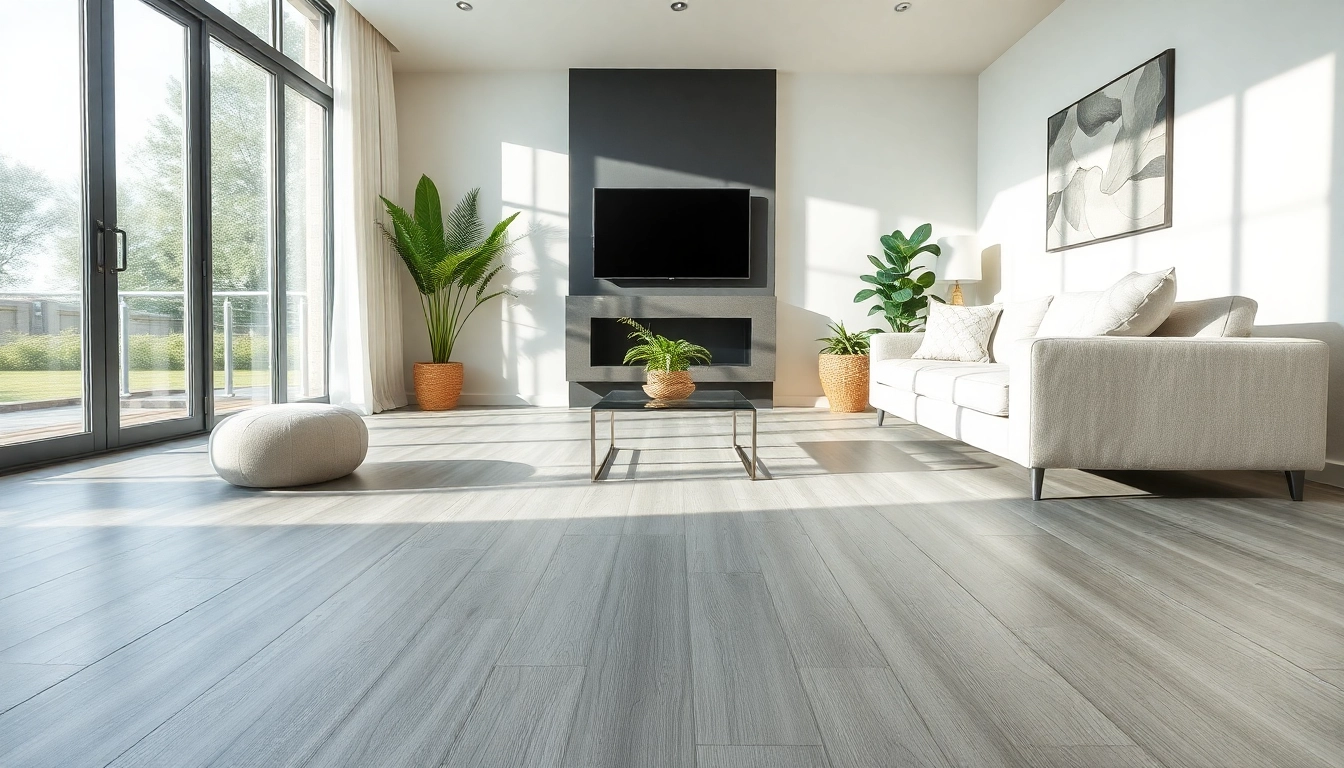
One of the standout features of LVP is its extensive variety of styles and designs. From rustic oak to modern grey tones, there’s something for every taste:
- Wood-Look: Mimicking natural hardwood, options range from classic textures to exotic species.
- Stone-Look: Achieve the sophistication of stone without the coldness; LVP offers realistic options from slate to marble.
- Patterned Options: Bold patterns and colors can add personality to spaces that might traditionally be understated.
Color Choices for Your LVP Floor
Choosing the right color for your LVP can dramatically affect the mood and feel of your room:
- Light Colors: Shades like light oak or white wash can make a space feel larger and brighter.
- Medium Tones: Colors such as walnut or chestnut can create a warm and inviting atmosphere.
- Dark Shades: Darker hues can add sophistication and elegance, but may also make spaces feel smaller.
Installation of LVP Floor
Preparing Your Space for LVP Floor Installation
Proper preparation of your space is vital for a successful LVP installation. Here are steps to follow:
- Subfloor Assessment: Ensure the subfloor is clean, dry, and level. Any imperfections can lead to complications.
- Acclimation: Allow the planks to adjust to room temperature and humidity for at least 48 hours before installation.
- Moisture Testing: If installing over concrete, test for moisture to prevent issues down the line.
Professional vs. DIY Installation of LVP Floor
Deciding between professional installation and DIY can depend on your skills and comfort level:
- Professional Installation: Offers efficiency and expertise, ensuring warranty adherence and optimal results.
- DIY Installation: Can save money; however, ensure you have the necessary tools and knowledge to avoid missteps.
Common Installation Mistakes to Avoid
To ensure a flawless LVP floor installation, be aware of potential mistakes:
- Ignoring acclimation: This can lead to expansion or contraction issues after installation.
- Neglecting moisture testing: This mistake can cause premature flooring failure.
- Improper cutting: Make cuts with precision to ensure seamless planks and avoid gaps or bumps.
Maintaining Your LVP Floor
Daily Cleaning Tips for Your LVP Floor
Maintaining the beauty of your LVP floor is straightforward with these daily cleaning tips:
- Regular Sweeping: Remove dust and debris daily with a soft broom or vacuum to prevent scratching.
- Wet Mopping: Use a damp mop weekly with a cleaner specifically formulated for vinyl to keep it shiny.
- Spot Cleaning: For spills, promptly wipe up with a cloth to prevent staining or damage.
Preventative Care for Longevity of LVP Floor
Extend the lifespan of your LVP flooring with these preventative steps:
- Area Rugs: Use rugs in high-traffic areas to protect against wear and tear.
- Furniture Pads: Place pads under furniture to prevent dents and scratches.
- Regular Inspections: Routinely check for damages or shifts and address issues promptly.
Addressing Common LVP Floor Issues
If you encounter problems with your LVP flooring, here’s how to address them:
- Bubbles: If bubbles form, carefully cut the affected area to release trapped air and flatten it out.
- Scratches: For minor scratches, use a vinyl repair kit or color fill pencil to mask the damage.
- Gaps: If gaps develop, reheat the area with a heat gun to help the material expand and fill the space.
Final Thoughts on LVP Floor
Evaluating the Cost vs. Benefits of LVP Floor
When evaluating LVP flooring, it’s essential to weigh the costs against the numerous benefits it offers. While initial expenses may vary based on brand and style, the long-term savings in maintenance and durability often outweigh the upfront investment.
Trends in LVP Floor Design
Current trends in LVP design are leaning towards natural aesthetics, with manufacturers increasingly focusing on capturing the essence of reclaimed wood and unique stone patterns. Textures, colors, and formats that create a contemporary, organic feel are making waves in interior design.
How to Match LVP Floor with Home Decor
To harmonize your LVP flooring with home decor, consider complementary colors, textures, and design styles. For instance, pairing light LVP with coastal decor creates a serene atmosphere, while dark shades can enhance vintage or modern styles.
FAQs
1. What is the lifespan of LVP flooring?
LVP flooring can typically last between 10 to 25 years depending on the quality, maintenance, and traffic levels in your home.
2. Can I install LVP over existing flooring?
Yes, LVP can usually be installed over most existing floors as long as they are flat, clean, and secure.
3. Is LVP flooring eco-friendly?
Many LVP products are made from recycled materials and can be recycled, making them a more sustainable flooring option compared to some alternatives.
4. Does LVP flooring require underlayment?
While not always necessary, installing an underlayment can provide additional cushioning, soundproofing, and moisture protection.
5. How do I fix a scratch on my LVP floor?
Minor scratches can often be removed using a vinyl repair kit, while deeper scratches may require a professional assessment for repair.