Introduction to Sandakphu Trek
Overview of the Trek
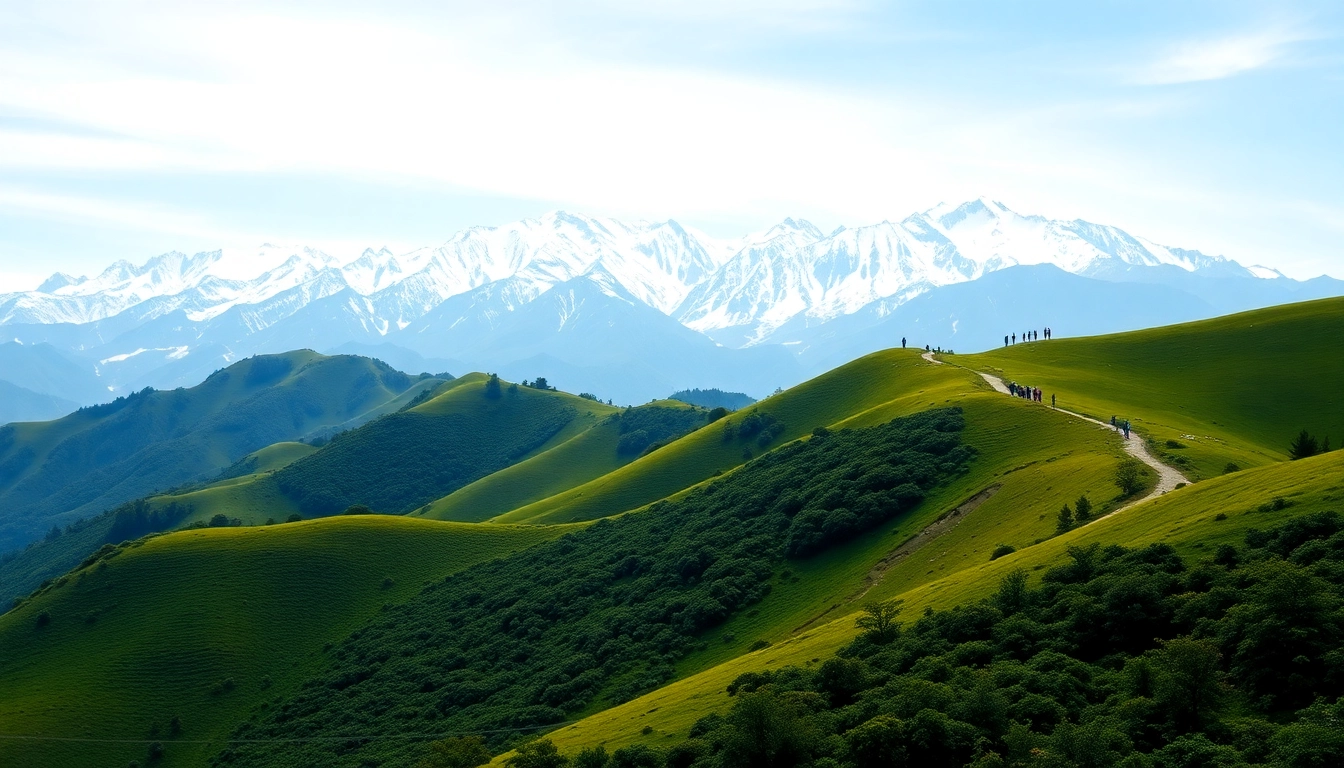
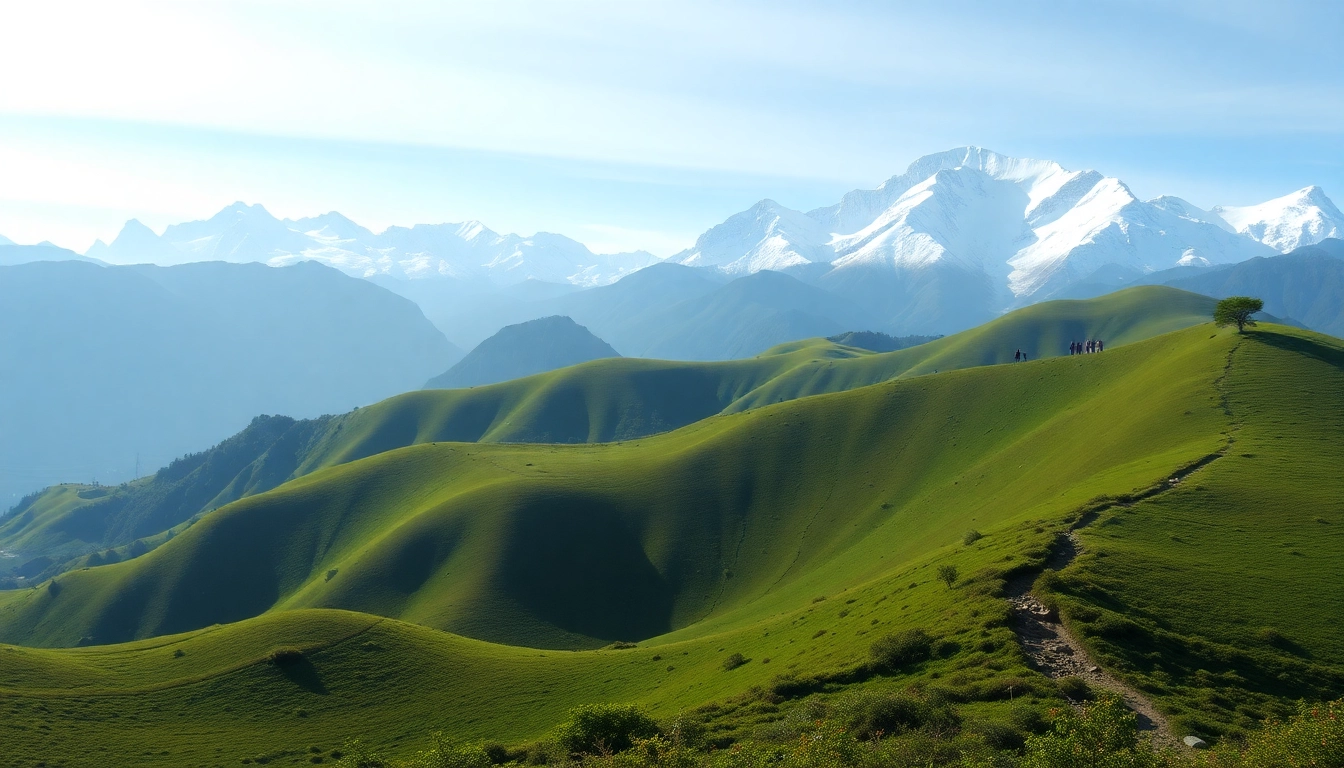
The sandakphu trek is one of the most breathtaking trekking routes in the Himalayas, situated at the border of India and Nepal. Renowned for its mesmerizing views, the trek boasts sweeping vistas of not just one but four of the tallest peaks on Earth: Mount Everest, Kanchenjunga, Lhotse, and Makalu. Covering a distance of approximately 50 kilometers, this trek offers a direct experience of the unique topography, culture, and biodiversity of the region.
The trek begins at an altitude of around 6,400 feet and ascends to Sandakphu, which sits at 11,930 feet. The journey spans diverse landscapes, including dense forests, rolling hills, and vast open meadows, making it a mosaic of nature’s beauty. Whether you’re an avid trekker or a casual hiker, the Sandakphu trek is an exhilarating journey that promises adventure and stunning mountain views at every turn.
Why Choose Sandakphu Trek?
Choosing the Sandakphu trek is a decision that encompasses not just the thrill of trekking but also a unique opportunity to connect with nature and culture. Here are a few reasons why this trek stands out:
- Unparalleled Mountain Views: Experience the majesty of the world’s tallest mountains from the vantage point of Sandakphu, one of the few places where you can see four of the highest peaks simultaneously.
- Cultural Immersion: The trek passes through villages inhabited by the Sherpa and Bhutia communities, giving trekkers a glimpse into their rich traditions and lifestyles.
- Diverse Flora and Fauna: As you trek through varying altitudes, encounter diverse ecosystems, including rhododendron forests and alpine meadows that are adorned with vibrant wildflowers.
- Moderate Difficulty: This trek is suitable for a range of fitness levels, making it accessible for both beginners and experienced trekkers.
Key Highlights on the Route
The Sandakphu trek is laden with captivating highlights that enhance the trekking experience:
- Kalipokhari: A serene lake surrounded by lush foliage, offering a perfect spot for restful contemplation and photography.
- Phalut: Known for its breathtaking viewpoints that present a panorama of the mighty Kanchenjunga range, Phalut is often a favorite stop for trekkers.
- Sandakphu Summit: The ultimate reward for trekkers, the summit provides an awe-inspiring 360-degree view of the majestic Himalayan range.
Preparation for the Sandakphu Trek
Fitness Requirements
While the Sandakphu trek is classified as moderate, it demands a good level of physical fitness. Trekkers should be accustomed to prolonged trekking and be prepared for fickle weather conditions. Regular cardio and strength training focused on endurance— like hiking, jogging, cycling, or swimming—can greatly enhance your performance on the trek. Trekking up hills in your local area or using stair-climbing exercises can be particularly beneficial.
Essential Gear and Supplies
Proper gear is crucial for a successful trek, especially in a mountainous region like Sandakphu. Here’s a list of essentials:
- Footwear: Well-fitted trekking boots with good ankle support.
- Clothing: Layered clothing including moisture-wicking base layers, warm insulating layers, and waterproof outer layers.
- Backpack: A sturdy and lightweight trekking backpack to carry your gear comfortably.
- Sleeping Bag: A high-quality sleeping bag rated for low temperatures, as nights can be chilly.
- Essential Supplies: Carry hydration systems or water bottles, energy bars, a first aid kit, sunscreen, and a headlamp.
Safety Tips for Trekkers
Safety is paramount during any trekking adventure. Here are useful tips:
- Stay Hydrated: Drink plenty of fluids to combat altitude sickness and dehydration.
- Trek with a Buddy: Always trek with a companion to ensure safety in case of emergencies.
- Listen to Your Body: Be mindful of any signs of altitude sickness and do not push yourself too hard.
- Keep Track of Weather: Check weather conditions regularly and adjust your plans accordingly.
- Use Trekking Poles: They can lighten the load on your legs and provide stability on uneven terrain.
Best Times to Experience Sandakphu Trek
Seasonal Weather Patterns
The best times to embark on the Sandakphu trek largely depend on weather patterns. The climatic conditions can greatly influence the trekking experience. The most favorable weather can be generally categorized as follows:
- Spring (March – April): Mild temperatures and blooming rhododendrons make this an enchanting time.
- Autumn (September – November): Clear skies provide amazing visibility for mountain viewing, making it the peak trekking season.
- Winter (December – February): While challenging due to snow, the landscapes are stunningly beautiful, but it should only be attempted by experienced trekkers.
Peak Trekking Seasons
The most popular trekking seasons are during the spring and autumn months. Each offers distinct beauty; however, late autumn is preferred for its dry conditions and a higher chance of clear sky views. During these periods, expect to meet other trekkers along the trail, adding to a vibrant atmosphere.
What to Expect Weather-Wise
Weather in the Himalayas can be unpredictable. During the trekking period, expect daytime temperatures to range from 10°C to 20°C, but nights can plummet to around -5°C at higher altitudes. It’s crucial to prepare for sudden weather changes by layering your clothing and having appropriate gear.
Itinerary for Sandakphu Trek
Day-by-Day Breakdown
A typical itinerary for the Sandakphu trek spans 6-7 days, allowing trekkers to fully immerse in the experience:
- Day 1: Trek from Manebhanjan to Chitrey.
- Day 2: Proceed from Chitrey to Tumling.
- Day 3: Tumling to Kalipokhari, enjoying the mixed forests and alpine pastures.
- Day 4: Trek from Kalipokhari to Sandakphu, with a gradual ascent.
- Day 5: Explore Sandakphu and ascend to Phalut, marveling at panoramic views.
- Day 6: Trek back from Phalut to Gurdum.
- Day 7: Return to Manebhanjan, concluding the trek.
Accommodation Options
Accommodation options along the Sandakphu trek primarily include tea houses and lodges. These basic yet cozy establishments offer meals and dormitory-style lodging, which is perfect for trekkers looking for the local experience. While facilities may be basic, the warmth of local hospitality makes up for it.
Meals and Nutrition
During the trek, expect to enjoy a mix of local and traditional Nepalese cuisine, including rice, lentils, and various vegetable dishes. Nutrition is vital for maintaining energy levels, so ask your hosts about the menu options and maintain a balanced diet, ensuring carbs, proteins, and fats are part of your meals. Don’t forget to pack some energy bars or trail snacks for the trek!
FAQs About the Sandakphu Trek
How Difficult is Sandakphu Trek?
The Sandakphu trek is rated as moderate. While it features some ascent, most sections are manageable, making it accessible for those in decent shape.
What is the Best Time for Sandakphu Trek?
The best months for this trek are March, April, September, October, and November, when the weather is usually favorable and visibility is excellent.
Is Sandakphu Trek Suitable for Beginners?
Yes, it is suitable for beginners. Those in good fitness, with proper preparation, can enjoy this trek without extensive mountain experience.
Can I See Mount Everest from Sandakphu?
Yes! From the viewpoint in Sandakphu, trekkers can witness four of the highest peaks in the world, including the magnificent Mount Everest.
What’s the Average Cost of the Sandakphu Trek?
The average cost can vary but generally includes permits, accommodation, meals, and guide fees, ranging from affordable options up to a moderate budget depending on the level of services chosen.