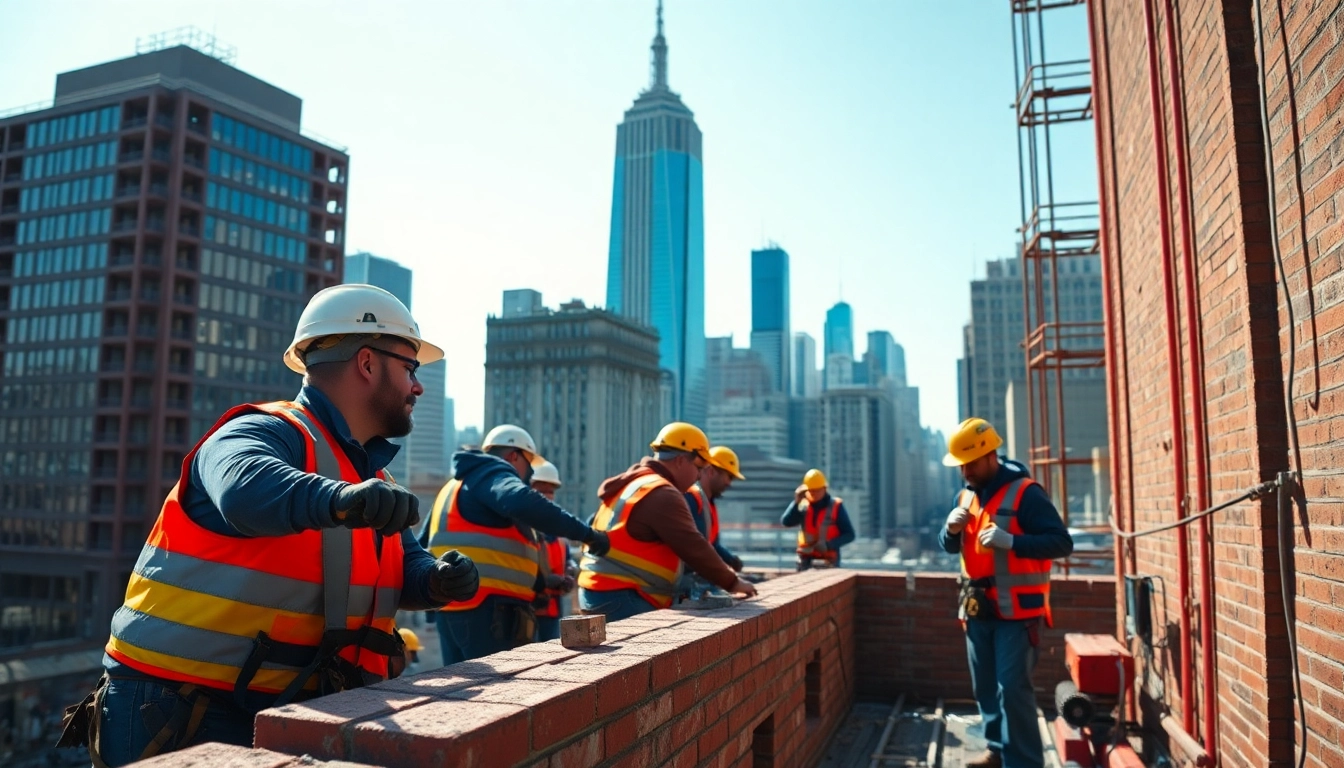
Understanding the Role of a New York City General Contractor
Definition and Key Responsibilities
A New York City General Contractor serves as the primary point of contact for construction projects. They coordinate all aspects of construction, overseeing everything from pre-construction planning to the final touches of the building process. Their responsibilities include hiring subcontractors, securing necessary permits, and ensuring compliance with city regulations. A skilled contractor also manages budgets, schedules, and communicates effectively with clients, architects, and engineers to bring the project vision to life.
Benefits of Hiring a General Contractor
Engaging a general contractor offers numerous advantages, particularly in a complex environment like New York City. Firstly, they bring extensive industry knowledge and experience to your project, minimizing costly mistakes. Their established relationships with subcontractors often result in better pricing and reliable scheduling. Additionally, a general contractor’s expertise in navigating local building codes and regulations helps streamline the permitting process. By managing day-to-day operations, they alleviate stress for homeowners, allowing them to focus on design choices rather than construction logistics.
How to Identify a Qualified Contractor
When searching for a qualified contractor, start by checking their credentials, including licenses and insurance coverage. Reviews and references from past clients are invaluable in assessing their reliability and quality of work. It’s also beneficial to interview multiple candidates, assessing their approach to project management and problem-solving. Consider their familiarity with local projects similar to yours and gauge their ability to communicate effectively. This diligence will help ensure you find a competent and trustworthy New York City General Contractor.
Essential Qualities of a New York City General Contractor
Experience in Local Projects
Experience in local projects is crucial for a New York City General Contractor. The unique architectural styles, historical buildings, and zoning laws of NYC require specialized knowledge. Contractors with a strong local background can anticipate challenges that may arise during construction, such as unexpected building codes or logistical hurdles associated with the city’s infrastructure. They can also offer insights on what materials and techniques work best in the diverse and often challenging New York environment.
Strong Project Management Skills
Successful construction projects hinge on strong project management capabilities. A qualified contractor must effectively coordinate multiple subcontractors and tradespeople while ensuring that work proceeds according to the project timeline and within budget. They should be adept at monitoring project progress, adjusting plans as necessary, and resolving issues quickly. This level of organization ultimately leads to smoother workflows and successful project outcomes.
Excellent Communication and Coordination
Effective communication is the lifeblood of any construction project. A general contractor must facilitate clear dialogue between clients, subcontractors, and suppliers. Regular updates keep everyone informed about project status, address concerns in a timely manner, and foster a collaborative work environment. Additionally, strong coordination ensures that resources are allocated efficiently, reducing downtime and enhancing productivity.
How to Evaluate Potential New York City General Contractors
Assessing Portfolios and References
When evaluating potential general contractors, thoroughly review their portfolios showcasing previous works. This firsthand insight allows you to assess their range of experience and quality of workmanship. Additionally, requests for references from prior clients can offer valuable perspectives on the contractor’s reliability, communication, and problem-solving capabilities. Consider reaching out to these references to ask specific questions about their experiences.
Understanding Pricing Models and Contracts
A clear understanding of a contractor’s pricing model is essential to avoid surprises in overall project costs. Contractors may charge a flat fee, a percentage of the overall project costs, or on an hourly basis. Ensure the contract reflects all anticipated expenses, including labor, materials, and any potential contingencies. A well-drafted contract protects both parties by outlining responsibilities, payment terms, and timelines.
Scheduling and Timeline Management
Project timelines must be realistic and achievable, tailored to the scope of work. During discussions with potential contractors, inquire about their scheduling practices and their approach to timelines. A reputable general contractor will provide a detailed schedule that outlines key milestones and ensure that essential tasks are prioritized. They should also establish a plan for managing any delays, ensuring that the project remains on track.
Common Challenges When Hiring a New York City General Contractor
Dealing with Permits and Regulations
New York City’s construction regulations can be daunting. Most construction projects require various permits, which can involve complex applications and inspections. A knowledgeable general contractor can navigate these regulations effectively, ensuring that all necessary permits are acquired promptly. They should also proactively provide advice on compliance, reducing the risk of delays and fines due to regulatory issues.
Managing Budget Overruns
Budget overruns are a common concern in construction projects. Factors such as unforeseen issues, price increases in materials, and costly change orders can lead to unexpected expenses. To avoid this, it’s essential to have a detailed budget established upfront, along with a contingency fund for unexpected costs. Open communication with your contractor about budget constraints and continuous monitoring of expenses will aid in staying on track financially.
Adjusting to Timeline Delays
Delays in construction can stem from various factors, including weather conditions and supply chain disruptions. A good general contractor will not only plan for potential setbacks but also maintain clear communication with clients about timeline adjustments. Setting realistic expectations and remaining adaptable to changes can mitigate the frustration associated with delays, thus maintaining a positive project experience.
FAQs About New York City General Contractors
What should I look for in a general contractor?
Look for experience, references, clear communication, and solid project management skills.
How much does it cost to hire a general contractor?
Costs can vary widely based on project scope, complexity, and contractor experience.
How long does a project take with a general contractor?
Project duration depends on scope, but a good contractor will provide a detailed timeline.
Do I need permits for construction?
Yes, most projects require specific permits. A knowledgeable contractor will assist with this process.
How can I avoid budget overruns?
Clearly outline your budget beforehand, get detailed quotes, and maintain communication throughout the project.