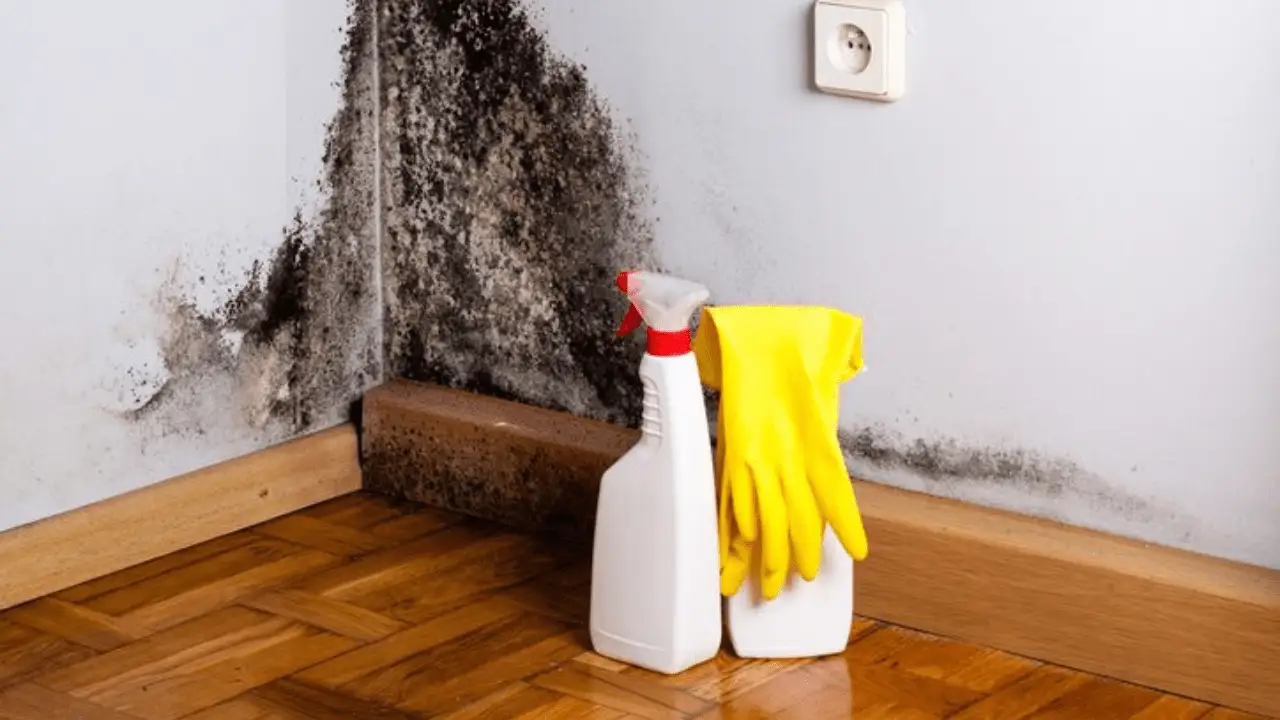
Mold problems are a frequent concern for homeowners in South Florida due to the region’s high humidity, frequent rain, and hurricane exposure. Understanding how Fort Lauderdale mold remediation works is essential for protecting both property value and indoor air quality. Many residents only seek help after damage becomes visible, but early awareness of Fort Lauderdale mold remediation can prevent costly structural repairs and long-term health risks.
In this guide, residents will learn how Fort Lauderdale mold remediation works, why it is necessary, and what steps homeowners should take to ensure a safe and mold-free living environment. The focus is on practical understanding, so homeowners can make informed decisions when dealing with moisture and mold issues.
Understanding Fort Lauderdale Mold Remediation in Coastal Homes
Fort Lauderdale mold remediation refers to the process of removing mold contamination and addressing the underlying moisture issues that cause it. Because Fort Lauderdale is a coastal city, homes are constantly exposed to humid air and occasional flooding, making Fort Lauderdale mold remediation a common necessity for both older and newer properties.
In most cases, Fort Lauderdale mold remediation begins with identifying the source of moisture. Without controlling water intrusion, mold will continue to return even after cleaning. That is why professionals emphasize that Fort Lauderdale mold remediation is not just about removal, but also about prevention and environmental correction.
The process typically involves inspection, containment, air filtration, removal of contaminated materials, and final restoration. Each stage of Fort Lauderdale mold remediation is designed to ensure that mold spores do not spread to unaffected areas of the home.
Why Fort Lauderdale Mold Remediation Is Essential for Homeowners
The importance of Fort Lauderdale mold remediation cannot be overstated in a humid climate. Mold can begin to grow within 24 to 48 hours of moisture exposure, making quick action critical. Homeowners who delay Fort Lauderdale mold remediation often face escalating damage that spreads behind walls, under flooring, and into HVAC systems.
Health concerns are another major reason why Fort Lauderdale mold remediation is essential. Exposure to mold spores can cause respiratory irritation, allergies, headaches, and other symptoms, especially for children, elderly residents, and individuals with asthma. Proper Fort Lauderdale mold remediation helps restore healthy indoor air quality.
Structural damage is also a serious risk. Mold feeds on organic building materials such as wood and drywall, weakening the structure over time. Effective Fort Lauderdale mold remediation prevents long-term deterioration that can reduce property value significantly.
For homeowners in Fort Lauderdale, ignoring moisture problems can quickly turn into expensive repairs. That is why timely Fort Lauderdale mold remediation is considered a necessary part of home maintenance in this region.
Common Causes of Mold Growth in Fort Lauderdale Properties
One of the main reasons Fort Lauderdale mold remediation is frequently needed is the region’s climate. High humidity levels create the perfect environment for mold growth year-round. Even homes with modern construction can experience issues that require Fort Lauderdale mold remediation.
Water leaks from plumbing systems are another major cause. A small leak under a sink or behind a wall can go unnoticed for weeks, allowing mold to develop. In such cases, Fort Lauderdale mold remediation becomes necessary once the hidden growth is discovered.
Roof damage and storm-related flooding are also common triggers. After heavy rainfall or hurricanes, moisture can seep into ceilings, walls, and insulation. This makes Fort Lauderdale mold remediation especially important during hurricane season when water intrusion risks increase significantly.
Poor ventilation is another contributing factor. Bathrooms, kitchens, and laundry areas without proper airflow trap moisture, creating ideal conditions for mold growth. Regular maintenance and proper airflow can reduce the need for extensive Fort Lauderdale mold remediation, but many homes still require professional assistance.
The Step-by-Step Process of Fort Lauderdale Mold Remediation
The process of Fort Lauderdale mold remediation begins with a detailed inspection of the property. Professionals look for visible signs of mold, moisture sources, and areas where contamination may be hidden. This step is crucial for planning effective Fort Lauderdale mold remediation.
Once the affected areas are identified, containment measures are put in place. This prevents mold spores from spreading to other parts of the home during the Fort Lauderdale mold remediation process. Plastic barriers and negative air pressure systems are often used.
Air filtration follows containment. Specialized equipment is used during Fort Lauderdale mold remediation to capture airborne spores and improve indoor air quality. This helps reduce contamination while removal work is underway.
The next step involves removing mold-infested materials such as drywall, insulation, or carpeting. During Fort Lauderdale mold remediation, any materials that cannot be cleaned are safely disposed of to prevent further spread.
Finally, the affected areas are cleaned, disinfected, and restored. This stage of Fort Lauderdale mold remediation ensures that surfaces are safe and moisture issues have been addressed to prevent future growth.
Cost Factors of Fort Lauderdale Mold Remediation Services
The cost of Fort Lauderdale mold remediation can vary depending on several important factors. The size of the affected area plays a major role, as larger infestations require more labor, materials, and equipment for complete Fort Lauderdale mold remediation.
The severity of the mold problem is another factor. Light surface mold may require minimal treatment, while extensive contamination hidden behind walls or ceilings increases the complexity of Fort Lauderdale mold remediation.
Water damage history also impacts cost. Homes affected by flooding or long-term leaks often need more extensive Fort Lauderdale mold remediation due to deeper structural involvement. In these cases, additional repairs may be necessary after remediation.
Accessibility of the affected area can also influence pricing. Hard-to-reach spaces such as crawl spaces or attics may require specialized equipment during Fort Lauderdale mold remediation, increasing overall effort and time.
Despite these variables, professional Fort Lauderdale mold remediation is generally more cost-effective than ignoring the problem and allowing damage to spread.
Choosing the Right Fort Lauderdale Mold Remediation Company
Selecting a qualified provider for Fort Lauderdale mold remediation is essential for ensuring effective results. Experience in handling Florida’s humid climate is a key factor when choosing a service provider for Fort Lauderdale mold remediation.
Proper licensing and certification also matter. A reputable company offering Fort Lauderdale mold remediation should follow industry standards and use approved safety procedures to protect both workers and homeowners.
Transparency is another important factor. Homeowners should choose providers who clearly explain the steps involved in Fort Lauderdale mold remediation, including inspection, removal, and restoration processes.
Local knowledge is especially valuable. Companies familiar with Fort Lauderdale’s weather patterns and common building issues can perform more effective Fort Lauderdale mold remediation tailored to regional conditions.
Preventing Future Mold Issues After Remediation
After completing Fort Lauderdale mold remediation, prevention becomes the top priority. Controlling indoor humidity is one of the most effective ways to prevent mold from returning. Using dehumidifiers and air conditioning systems can help maintain balanced moisture levels after Fort Lauderdale mold remediation.
Fixing leaks quickly is also essential. Even small plumbing issues can lead to new mold growth if not addressed after Fort Lauderdale mold remediation. Regular maintenance helps reduce long-term risks.
Proper ventilation in moisture-prone areas is another important step. Bathrooms, kitchens, and laundry rooms should have adequate airflow to prevent humidity buildup following Fort Lauderdale mold remediation.
Regular inspections can also help homeowners stay ahead of potential issues. Scheduling routine checks ensures that any early signs of mold are caught before another round of Fort Lauderdale mold remediation is needed.
Conclusion
Mold is a persistent challenge for homeowners in Fort Lauderdale due to the region’s humid and storm-prone environment. Understanding the importance of Fort Lauderdale mold remediation helps residents take proactive steps to protect their homes and health.
Whether caused by leaks, humidity, or storm damage, mold issues should never be ignored. Professional Fort Lauderdale mold remediation ensures that contamination is removed safely and that underlying moisture problems are addressed.