Understanding the Outdoor Living Configurator
Designing an inviting outdoor living space has become a pivotal aspect for homeowners and real estate developers alike. Whether it’s about creating a serene garden oasis or a functional outdoor kitchen, the process of conceptualizing these spaces can be daunting. This is where an outdoor living configurator comes into play, offering a digital platform that simplifies the process of outdoor space design. By utilizing advanced technology, these configurators help users visualize and experiment with various designs, materials, and layouts, ultimately bringing their outdoor dreams to life.
What is an Outdoor Living Configurator?
An outdoor living configurator is an online tool designed to help users design and customize outdoor spaces. These tools range from simple sketching software to advanced 3D modeling applications. Users can select different elements to include in their outdoor environment, such as furniture, lighting, plants, and structures, allowing them to visualize the final outcome before making any physical changes. Configurators are particularly beneficial for homeowners who wish to personalize their spaces but lack experience in landscape or architectural design.
The Benefits of Using a Configurator
Employing an outdoor living configurator comes with numerous advantages. These include:
- Visual Representation: Users can see their ideas come to life, leading to better decision-making.
- Cost-Effective: By identifying what works visually before purchasing materials or hiring professionals, users can save money.
- User-Friendly: Most configurators are designed with intuitive interfaces, making them accessible even for those with no design background.
- Time-Saving: Instead of spending countless hours mapping out designs on paper, users can quickly create and modify plans digitally.
- Inspiration: Many configurators include templates and ideas to spark creativity for users unsure of where to start.
Common Features and Tools Available
Outdoor living configurators often come equipped with various tools to enhance user experience:
- Drag-and-Drop Functionality: Users can easily place and arrange items within their design.
- Material and Color Selection: Configurators typically offer a variety of materials and color options to customize each element.
- 3D Rendering: Advanced configurators provide realistic 3D models that showcase sunlight, shadow, and texture.
- Sharing Options: Users can often share their designs with friends or professionals for feedback or collaborative planning.
Choosing the Right Outdoor Living Configurator for Your Needs
With the plethora of outdoor living configurators available, selecting the right one can be challenging. It’s important to consider specific features that will cater to individual requirements. Some configurators are ideal for detailed 3D modeling, while others excel in user-friendliness and quick visualization.
Factors to Consider in Your Selection
When selecting an outdoor living configurator, consider the following:
- User Interface: The configurator should be easy to navigate and intuitive.
- Customization Options: Look for tools that offer a range of design elements, such as furniture, plants, and structures.
- Cost: Some platforms may charge for advanced features; choose one that fits your budget.
- Support and Tutorials: A good configurator should offer assistance or tutorials to help users maximize its usage.
- Mobile Compatibility: Consider whether the configurator can be accessed on mobile devices for on-the-go design.
Comparing Top Competitors in 2026
As of 2026, several outdoor living configurators stand out in the market. Platforms like RTA Outdoor Living and Planner 5D are widely recognized for their user-friendly interfaces and extensive customization features. RTA focuses on outdoor kitchens, while Planner 5D offers comprehensive backyard design capabilities. Evaluating these tools based on user reviews and personal preferences can help in making an informed choice.
User Feedback and Reviews: What Matters Most?
When considering which configurator to use, user feedback can provide valuable insights into functionality and effectiveness. Look for reviews that highlight ease of use, customer service, and the overall satisfaction of the design process. Users often share their experiences regarding how well the configurator helped them envision their outdoor spaces, which can guide your decision.
Step-by-Step Guide to Using Your Outdoor Living Configurator
Once you’ve selected an outdoor living configurator that fits your needs, the next step is learning how to use it effectively. Here’s a structured approach to maximize your design experience.
Setting Up Your Project: Initial Considerations
Begin by assessing the space you want to design. Take measurements and note any existing features such as trees, patios, and walkways. This foundational information will guide your design choices. When you open your configurator, input these dimensions to start your project accurately.
Designing Your Space: Tips and Tricks
As you start designing:
- Start Simple: Lay out the basic structure of your space before adding intricate details.
- Experiment: Use the configurator’s features to try out different arrangements and aesthetics without fear of making permanent changes.
- Take Breaks: If you feel stuck, take a break, and return with a fresh perspective.
Finalizing Your Design and Making Adjustments
Review your design closely. Use tools within the configurator to tweak dimensions and materials. Seek feedback from friends or family and make necessary adjustments. Once satisfied, export your design or save it for future reference.
Real-World Applications of Outdoor Living Configurators
Outdoor living configurators have been successfully used in various projects, guiding homeowners to create stunning outdoor spaces.
Case Studies: Successful Outdoor Spaces Created
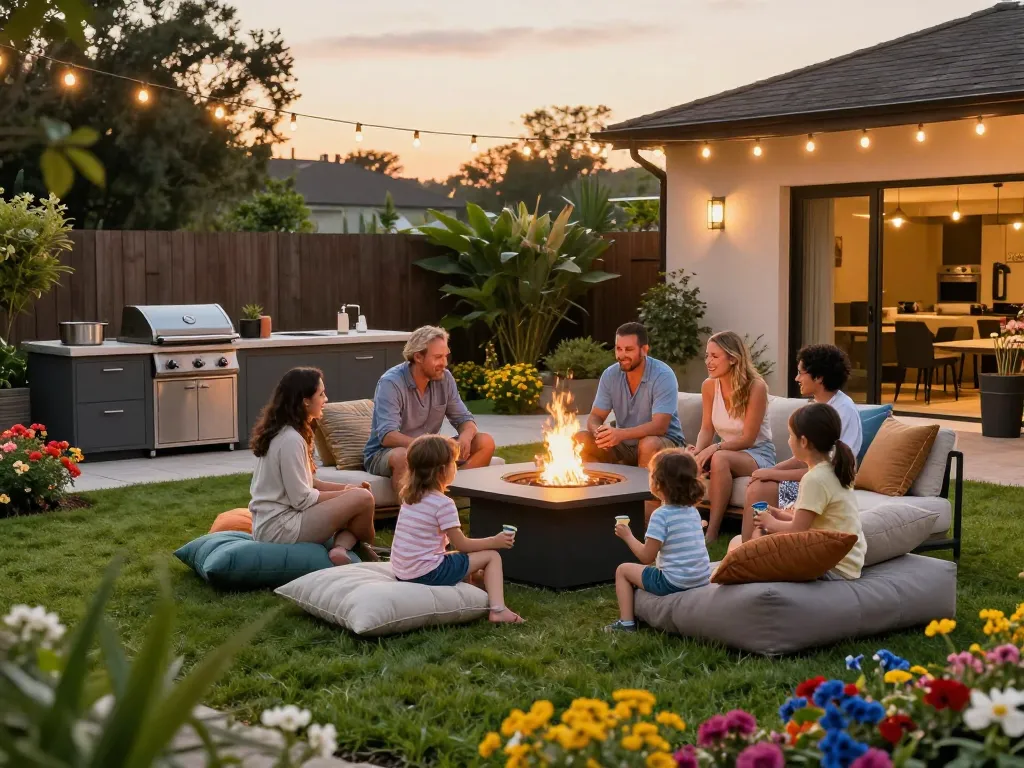
One notable case involved a family who wanted to revamp their backyard for entertainment. Using a configurator, they visualized a multi-functional area that included a fire pit, dining seating, and landscaping. This tool provided them with the insights needed to execute their vision precisely.
Common Mistakes and How to Avoid Them
Many users fall into common traps, such as overcrowding the space or neglecting to consider sunlight and wind direction. By using configurator tools that simulate environmental factors, users can address these issues early in the design process.
Innovative Ideas for Your Custom Outdoor Designs
Get creative with your designs! Integrate vertical gardens, water features, and outdoor kitchens to enhance the enjoyment of your space. Utilize the configurator’s options to play with unique themes that resonate with your personal style.
Future Trends in Outdoor Living Configurators
The outdoor living configurator landscape is evolving with advancements in technology and design philosophy. Here’s what to expect moving forward.
Emerging Technologies and Tools in 2026
Artificial intelligence and augmented reality are set to revolutionize configurators, enabling real-time changes and immersive experiences. Users may soon be able to see their designs in real environments using AR applications.
Sustainability Features: Designing with Nature in Mind
As sustainability becomes a priority, future configurators will likely integrate eco-friendly materials and design practices, guiding users towards greener choices for their outdoor spaces.
Predictions for Outdoor Living Concepts in the Next Five Years
Expect increasing integration of smart technologies in outdoor spaces. Features such as automated lighting and irrigation systems are predicted to enhance the functionality and enjoyment of outdoor living.
What Do Users Want from Future Configurators?
User feedback indicates a desire for more interactive design experiences. Future configurators should focus on enhancing user engagement and providing comprehensive guidance throughout the planning process.
What is an outdoor living configurator?
As discussed, an outdoor living configurator is a tool designed to facilitate the design of outdoor spaces by allowing users to visualize various elements and layouts prior to actual implementation.
Can I use an outdoor living configurator for free?
Many configurators offer free versions with basic features; however, advanced functionalities may require a subscription or one-time fee.
What features should I look for in an outdoor living configurator?
Look for user-friendly interfaces, customization tools, material selection options, and sharing capabilities to ensure a comprehensive design experience.
How do I share my design from the configurator?
Most configurators include sharing options that allow users to export designs to social media or email them to friends and family for feedback.
What are the most common tools in outdoor living design?
Common tools found in outdoor living configurators include drag-and-drop interfaces, color palettes, material libraries, and visualization settings to simulate lighting and shadow effects.