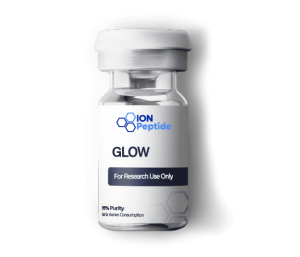
Understanding Peptides and Their Significance
What are Peptides?
Peptides are short chains of amino acids linked by peptide bonds, and they are fundamental to various biological processes in living organisms. Comprised of typically 2 to 50 amino acids, peptides play crucial roles in cell signaling, immune response, and metabolism. Unlike proteins, which are longer and more complex, peptides can influence numerous physiological functions even at this shorter length. Their unique properties have led to significant interest in research applications, especially in health, medicine, and biotechnology.
Types of Peptides in Research
Peptides can be categorized into several types, each with distinct functions and applications. Some major categories include:
- Hormonal Peptides: These are involved in the regulation of physiological functions, including insulin and growth hormone.
- Antimicrobial Peptides: Found in various organisms, these peptides play a role in the immune defense by destroying bacteria.
- Neuropeptides: These peptides transmit signals between nerve cells, influencing mood, pain perception, and stress responses.
- Signal Peptides: Often crucial for protein targeting and transportation within cells.
Importance in Health and Medicine
The significance of peptides in health cannot be overstated. They are gaining recognition as potential therapeutic agents in various fields, including endocrinology, oncology, and infectious diseases. Peptides can serve as drug leads due to their specificity and reduced side effects compared to traditional small-molecule drugs. Additionally, https://hydroresearchpeptides.com/ provides resources for exploring the growing field of peptide research, offering insights into their diverse clinical applications.
Applications of Peptides in Therapeutics
Peptides in Drug Development
In drug development, peptides are increasingly recognized for their ability to interact selectively with biological targets. This characteristic allows for the creation of medications that can mimic natural hormones, receptors, or enzymes. For example, peptide-based drugs such as exenatide and liraglutide have been successfully developed to manage Type 2 diabetes by mimicking incretin hormones, which help regulate insulin secretion. The incorporation of peptides into drug therapies not only enhances efficacy but also improves patient compliance due to their favorable side-effect profiles.
Peptides for Anti-Aging
Anti-aging treatments have seen the emergence of peptide therapeutics that aim to rejuvenate skin, enhance cellular repair, and boost collagen production. Peptides like collagen peptides and signal peptides are utilized in skincare formulations to promote skin elasticity and reduce fine lines. By stimulating the body’s natural processes, these peptides provide scientifically-backed methods for sustaining youthful appearance without invasive procedures, thereby becoming a staple in the cosmetic industry.
Role in Disease Treatment
Peptides exhibit promising potential in the treatment of various diseases, including cancer, cardiovascular diseases, and neurodegenerative disorders. For instance, peptide vaccines are being studied for their ability to elicit immune responses against tumor-associated antigens, paving the path for innovative cancer immunotherapy approaches. Moreover, peptide-based drugs targeting specific receptors can modulate neurological functions, providing new avenues to manage conditions such as Alzheimer’s and Parkinson’s disease. These applications highlight the versatile capabilities of peptides as both therapeutic agents and research tools.
Research and Innovations in Peptide Science
Latest Discoveries in Peptide Research
The field of peptide research is experiencing rapid advancements, stemming from the development of novel synthesis techniques and analytical methods. Recent discoveries indicate that many naturally occurring peptides have untapped therapeutic potentials. For example, cyclic peptides are gaining attention for their stability and ability to penetrate cellular barriers, making them suitable candidates for drug design. In addition, the field is increasingly integrating bioinformatics and artificial intelligence to predict peptide interactions, leading to the rapid identification of effective peptide compounds.
Emerging Peptide Therapies
Emerging peptide therapies are at the forefront of treating chronic diseases and medical conditions. Innovations include targeted peptide drug conjugates deployed in cancer treatment to selectively deliver cytotoxic agents to tumor cells while sparing healthy tissue. This precision medicine approach is not only more effective but also minimizes adverse effects. Additionally, the exploration of peptide-nanoparticle complexes shows promise in enhancing drug delivery systems, potentially revolutionizing how we administer therapeutics.
Future Directions in Peptide Applications
The future of peptide science holds exciting possibilities. Research is leaning towards personalized medicine, where peptides are designed based on an individual’s biomolecular profile to improve treatment outcomes. Furthermore, advancements in peptide libraries and high-throughput screening technologies are poised to accelerate the identification of lead compounds for various diseases. As we increasingly understand peptide biology, their implementation in conjunction with other therapeutic modalities is likely to enhance efficacy and improve patient care across multiple medical fields.
Manufacturing and Quality Control of Peptides
Peptide Synthesis Methods
The synthesis of peptides can be accomplished through several methods, including solid-phase synthesis and liquid-phase synthesis. Solid-phase peptide synthesis (SPPS) has become the predominant method, allowing for the efficient assembly of peptide chains in a stepwise fashion. Innovations in microfluidic technology are also emerging, enabling rapid and scalable peptide synthesis. Each method presents unique advantages and challenges, influencing the purity and yield of the final peptide products.
Importance of Quality in Peptide Products
The quality of peptide products is critical for ensuring their efficacy and safety in therapeutic applications. Rigorous quality control measures must be in place to assess the purity, potency, and structural integrity of peptides. Techniques such as high-performance liquid chromatography (HPLC) and mass spectrometry are essential in verifying the quality of synthesized peptides. Establishing stringent quality standards helps prevent contamination and ensures compliance with regulatory requirements, thereby fostering trust in peptide-based therapies.
Regulatory Considerations in Peptide Production
Peptide manufacturers must navigate complex regulatory landscapes that govern the production, testing, and distribution of peptide products. Regulatory bodies require comprehensive documentation and adherence to Good Manufacturing Practices (GMP) to ensure product consistency and reliability. Understanding these regulations is vital for companies aiming to bring peptide therapeutics to market, as compliance not only safeguards public health but also enhances the credibility of the peptide industry.
Frequently Asked Questions about Peptides
What are the side effects of peptide use?
While peptides are generally well-tolerated, potential side effects can include injection site reactions, allergic responses, and changes in metabolism. Monitoring by healthcare professionals is advised for those using peptide therapies.
How are peptides administered in treatments?
Peptides can be administered through various routes including subcutaneous, intramuscular, and intravenous injections, depending on their specific formulations and therapeutic goals.
Can peptides aid in muscle growth?
Specific peptides, such as growth hormone-releasing peptides, may promote muscle growth by enhancing protein synthesis and recovery, thus aiding athletes and bodybuilders in their performance objectives.
What is the shelf life of peptide products?
The shelf life of peptide products can vary based on formulation and storage conditions, but most peptides retain potency for one to two years when stored properly at low temperatures.
Are there any dietary sources of peptides?
Certain foods, particularly proteins like dairy products, meat, fish, and legumes, contain peptides. Upon digestion, these proteins break down into smaller peptides, which can contribute to various health benefits.